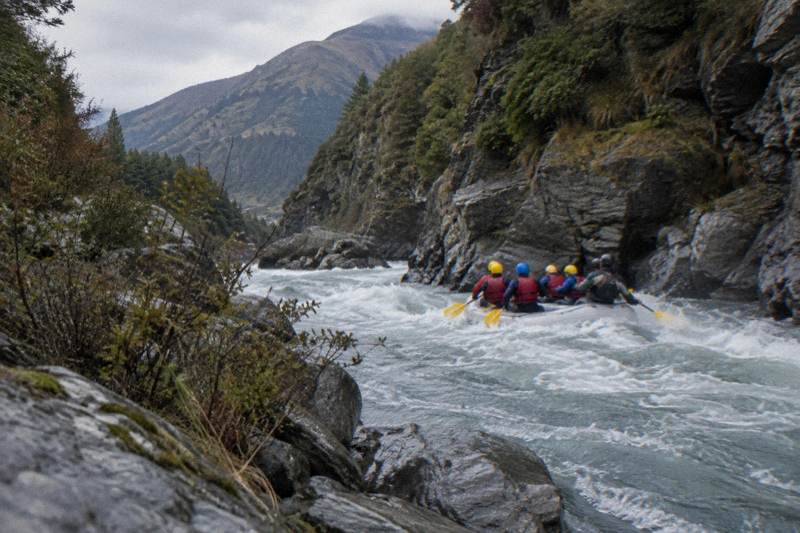
White Water Rafting Grades Explained: Class 1 To 6
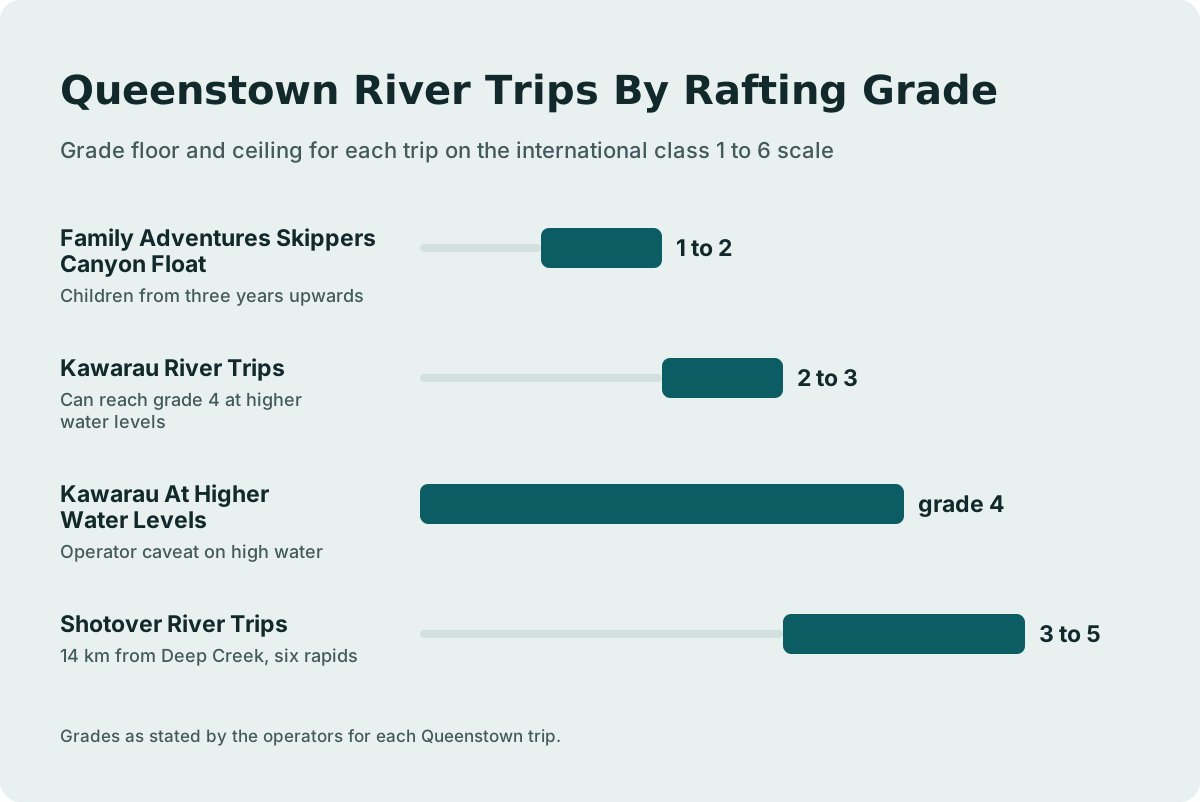
Rivers are graded from class 1 to class 6, and that single number decides which Queenstown trip suits you: the Kawarau sits at grade 2 to 3, the Shotover runs grade 3 to 5, and class 6 is never commercially rafted.
Short answer
White water rafting grades run from class 1, which is moving flat water, to class 6, which is extreme and not commercially rafted. In Queenstown the Family Adventures trip runs grade 1 to 2, Kawarau trips run grade 2 to 3 and can reach grade 4 at higher water, and Shotover trips run grade 3 to 5.
The international river difficulty scale runs from class 1, easy moving water, to class 6, extreme rapids that no commercial rafting company runs. Everything a Queenstown rafter needs to decide sits inside that scale. The Kawarau River trips are graded 2 to 3 and can reach grade 4 at higher water levels, the Shotover River trips run grade 3 to 5, and the gentle Family Adventures canyon float sits at grade 1 to 2. One number, and the whole day changes: who can come, what you wear, how likely you are to get wet, and how your heart behaves in the drops.
What Do White Water Rafting Grades Actually Mean?
A rafting grade is a single-number summary of how difficult a stretch of river is, set on the international scale from class 1 to class 6. It exists so rafters, guides and regulators share one language for difficulty. Class 1 is easy, moving water with almost no obstacles. Class 6 is extreme, and no commercial operator rafts it.
The scale is descriptive rather than mechanical. There is no formula that converts a rapid into a number by measuring its drop or its flow. Graders look at the whole picture: how steep the rapid is, how restricted the channel is, whether rocks obstruct the line a raft must take, how powerful the currents and stoppers are, and how hard it would be to rescue someone mid-rapid. A rapid can also change grade with the water level, which is exactly what happens on the Kawarau, usually graded 2 to 3 but able to reach grade 4 at higher water, in the operator's own words.
Because grades belong to rapids, a river section is quoted as a range. The Shotover River trip run from Deep Creek covers 14 km of river, and within that distance the water moves from gentler stretches into the six grade 3 to 5 rapids, the 170 m Oxenbridge Tunnel, and the rapids beyond it where the trip ends. Saying "grade 3 to 5" tells you the floor and the ceiling of the day, not a constant difficulty.
| Class | What the water is like in plain words |
|---|---|
| Class 1 | Easy. Moving water, small ripples, almost no obstacles, very low risk for swimmers |
| Class 2 | Straightforward. Small waves, clear channels, occasional manoeuvring, suitable for beginners |
| Class 3 | Moderate. Irregular waves, narrow passages that need guided paddling, a real chance of getting wet |
| Class 4 | Advanced. Powerful waves, precise lines, constricted passages, self-rescue is not automatic |
| Class 5 | Expert. Long, violent rapids, steep gradients, high consequence if a raft flips |
| Class 6 | Extreme. Considered unraftable commercially; runs are attempted only by elite teams, if at all |
One Queenstown operator frames the top of the commercial scale plainly: grade 5 is the highest grade commercially rafted in the world. That single sentence is the reason the scale stops mattering at 6 for anyone booking a seat in a raft.
Class 1 And 2: Where Families And First-Timers Start
Class 1 is moving flat water and class 2 is small waves with clear channels, together the gentle end of the scale, where age limits drop, swimming ability stops being a gate, and the day becomes about scenery rather than adrenaline. In Queenstown the Family Adventures Skippers Canyon trip sits here, graded 1 to 2, taking children from three years upwards.
The operator's description of that trip is unusually warm for the industry: suitable for everyone from three years upwards, water confidence not necessary, a gentle trip. That is what grade 1 and 2 water allows. The raft drifts and paddles through the canyon, past gold mining relics, with the 45-minute drive in and 1.5 hours on the water. There is no swimming test hanging over the day, no minimum weight of 40 kg as the bigger rivers require, and no upper weight limit published at all.
Class 2 water is not boring water. It moves, it has small waves that splash over the tube, and it teaches the paddling rhythm that bigger rapids demand. But it forgives. A person who is nervous about white water, or a family spanning grandparents and preschoolers, can share a raft at grade 2 in a way that grade 4 makes impossible. If that describes your group, rafting with kids in Queenstown covers the age rules in more detail.
The Skippers Canyon setting does some of the work here. The unsealed road hugs the canyon's sheer cliffs behind Coronet Peak, and the river runs through part of the Mount Aurum Recreation Reserve, 9,100 hectares of land that saw much of Wakatipu's 1860s gold fever, as the Department of Conservation's Skippers area page describes. Grade 1 to 2 water in a landscape like that is a scenic trip with ripples, not a compromise.
Class 3: The First Real White Water
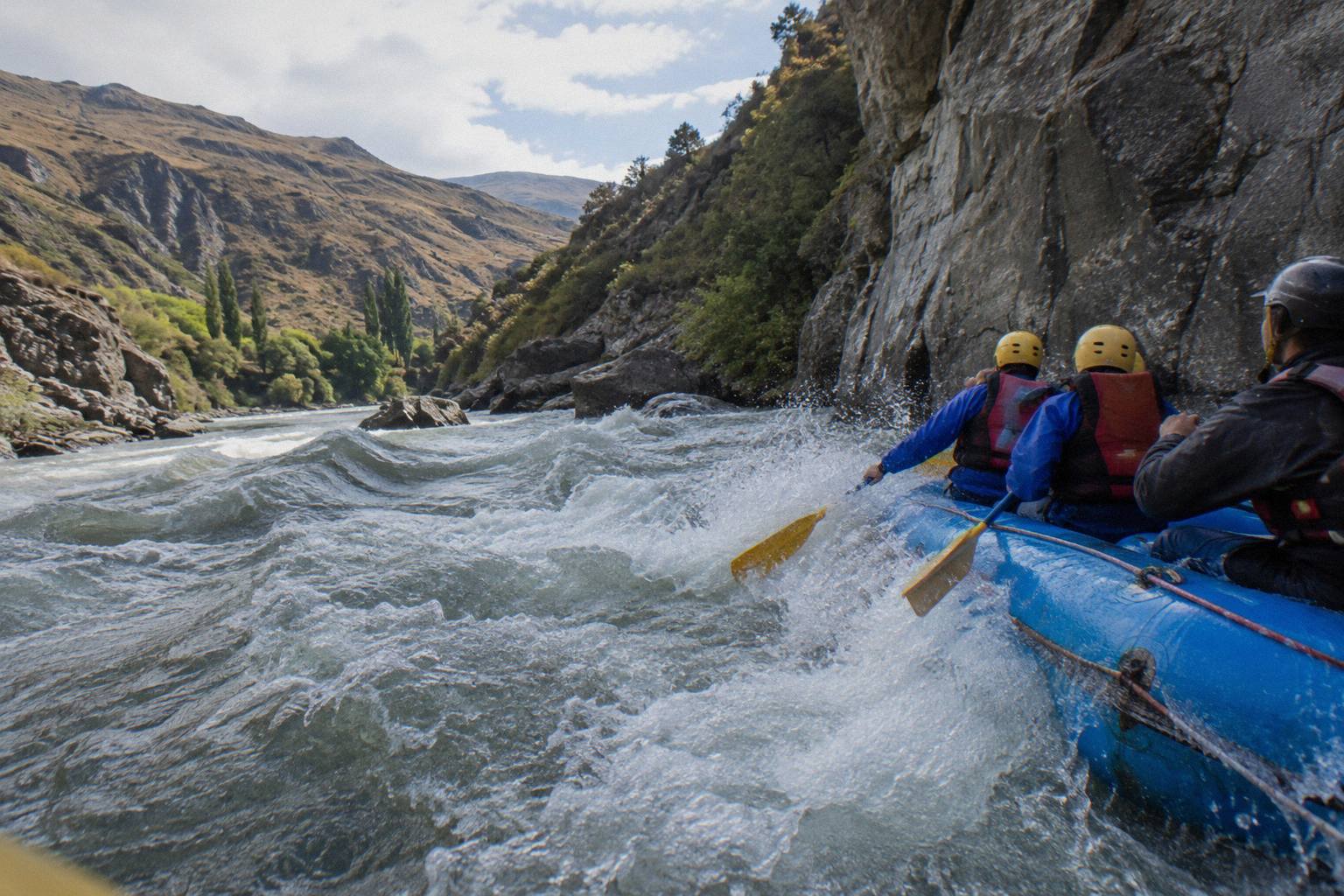
Class 3 is moderate white water: irregular waves, channels that need an actual line, and passages narrow enough that paddling together matters. It is the classic first-timer grade, hard enough to feel like an achievement, forgiving enough that commercial trips run it daily with complete beginners, and both Queenstown rivers serve it. The Kawarau is graded 2 to 3 and the Shotover's floor is grade 3.
The Kawarau trips are built around class 3. The operator grades the river 2 to 3, usually, with the caveat that it can reach grade 4 at higher water levels, and describes it as suited to first-timers and less confident swimmers, with water confidence still recommended. The signature rapid, The Dog Leg, is 400 m long, which the operator calls the longest commercially rafted rapid in New Zealand, with the rapid itself described as grade 3/4. A rapid that long at grade 3 is a rolling, wave-train experience rather than a single spike of fear.
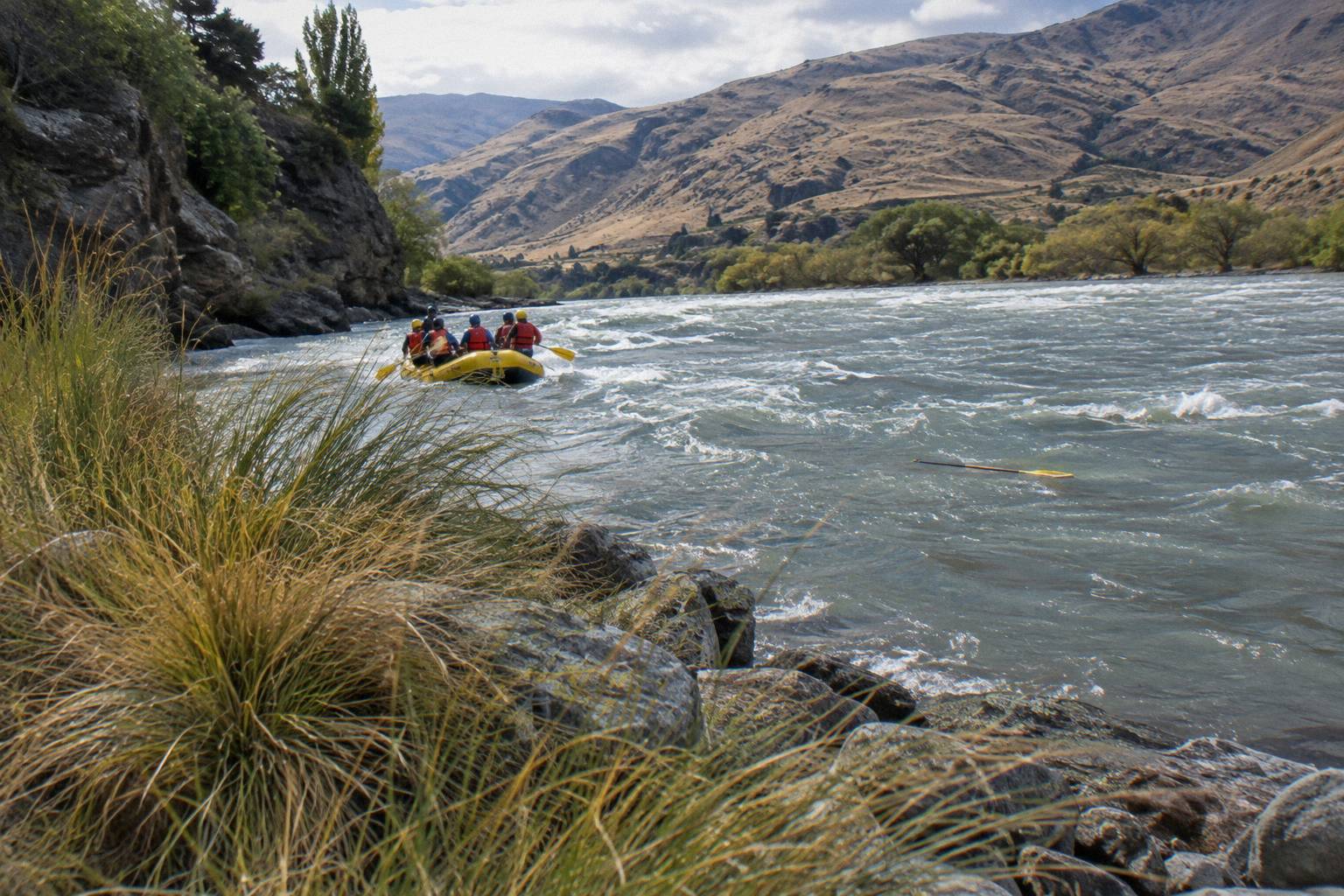
Class 3 is also where the eligibility rules begin to bite in earnest. All the grade 3 plus trips require swimmers able to manage themselves in moving water: the RealNZ Shotover and Kawarau trips ask that guests be water-competent, able to swim 25 m unaided, with moderate fitness. The Kawarau is the softer of the two for this, and the operator says so directly, noting the Shotover carries a higher risk of falling out than the Kawarau. If swimming ability is the question in your group, what happens if you can't swim works through the rules trip by trip.
There is an optional cliff-jumping section on the Kawarau depending on weather and water level, plus the chance to swim a rapid. Both are opt-in markers of what class 3 means: the river challenges you, but a guided commercial trip can hand you a safe version of the challenge.
Class 4 And 5: The Shotover's Territory
Class 4 is advanced water with powerful waves and precise lines, class 5 is expert water with long violent rapids and real consequences, and the Shotover River is where both live in Queenstown. The RealNZ Shotover trip is graded 3 to 5 across six rapids, and the Challenge Rafting version runs its Mother rapids, six grade 4 to 5 rapids including Aftershock, Squeeze, Toilet and Pinball, before the 170 m Oxenbridge Tunnel and the drop into Cascade Rapid.
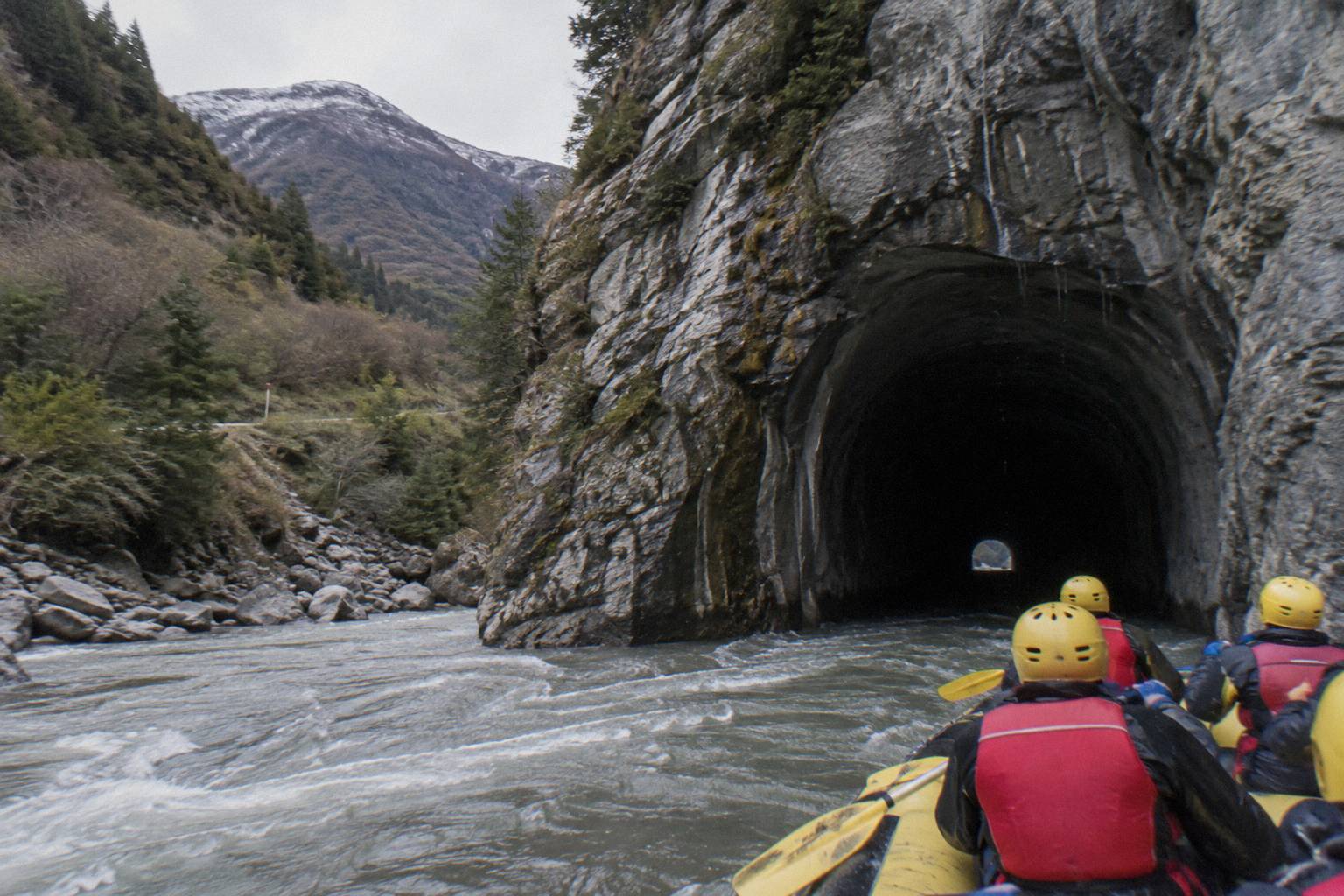
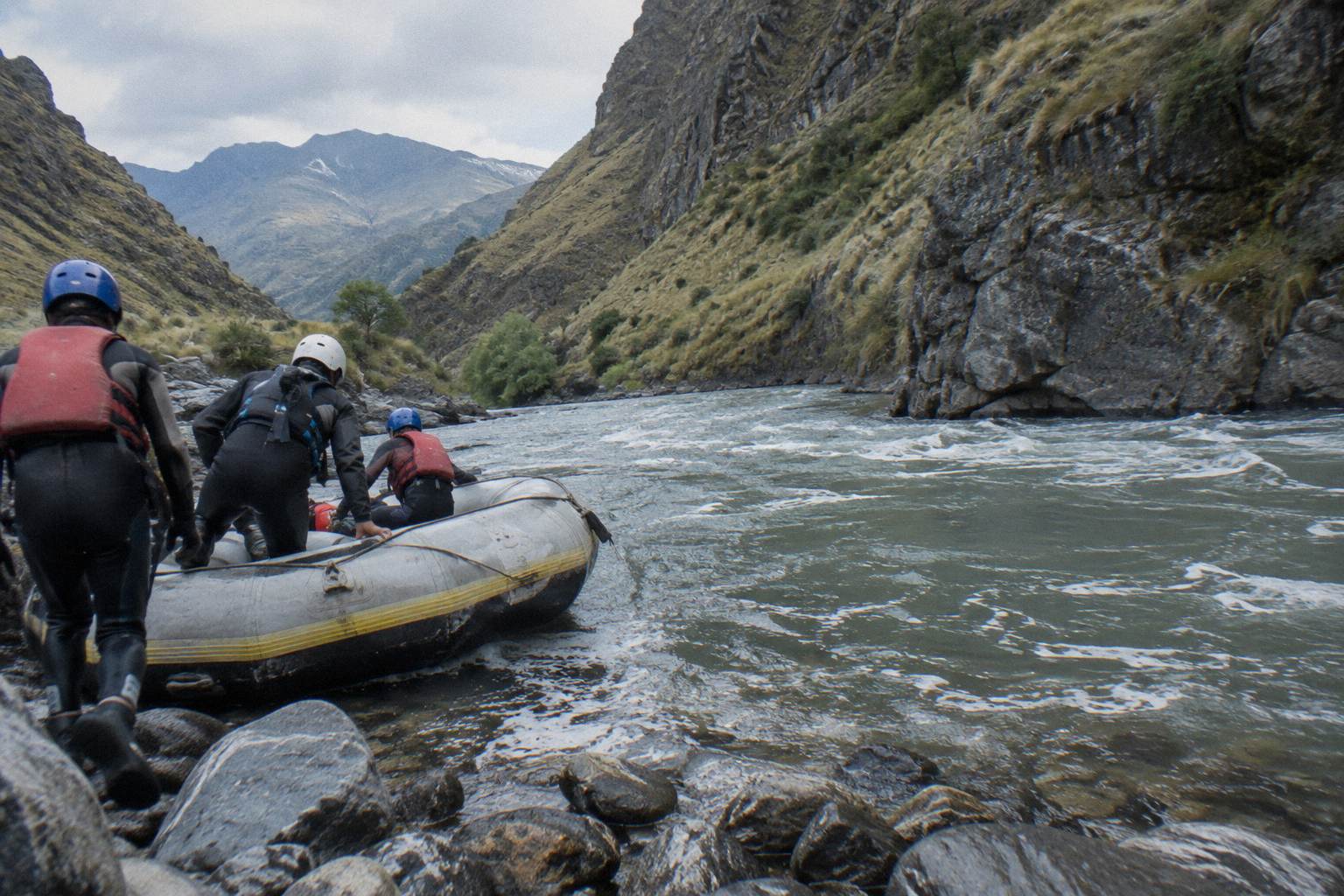
Grade 5 is the ceiling of commercial rafting anywhere in the world, in the operator's own words, and the Shotover reaches it. The RealNZ trip rafts 14 km of the river, reaching the put-in at Deep Creek by shuttle bus along Skippers Canyon Road, about 40 minutes' drive to the start. Rafts carry at most eight people including the guide, and a safety kayaker travels on every trip. That staffing is part of what makes grade 5 water a bookable product rather than an expedition.
The Challenge Rafting trip, graded 3 to 5 overall, leans into the harder end: its six named grade 4 to 5 rapids stack the difficulty higher before the tunnel and the finish in Cascade Rapid. Challenge Rafting runs November through April and does not operate in winter, which it defines as May to early September. Its eligibility rules match the RealNZ limits, minimum age 13, minimum weight 40 kg, maximum 120 kg, and add that pregnant guests are not allowed on grade 3 or above, heart conditions or heart medication exclude, and the trip is not suitable for non-swimmers, wheelchair users or guests with mobility impairments. Photos are included in that booking, and hot showers wait at the Rafters Lodge.
Class 4 and 5 water reshapes the practical details too. Nothing can be taken on the raft, no camera and no GoPro, so the photo question is solved by the operator rather than your own gear, and what to do about glasses, cameras and valuables is worth reading before you pack. For a deeper look at the top of the scale, how class 5 rapids work breaks the grade down rapid by rapid.
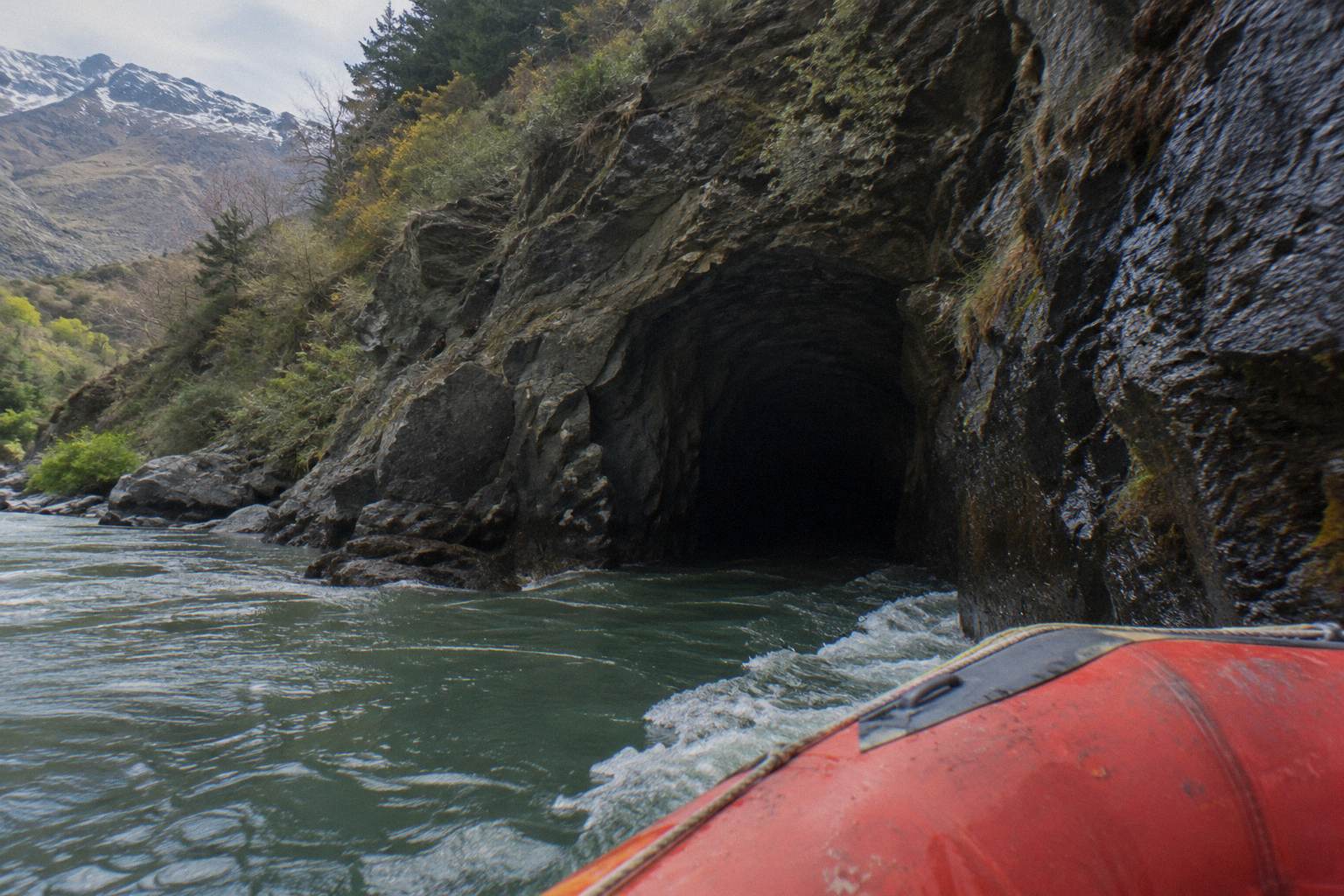
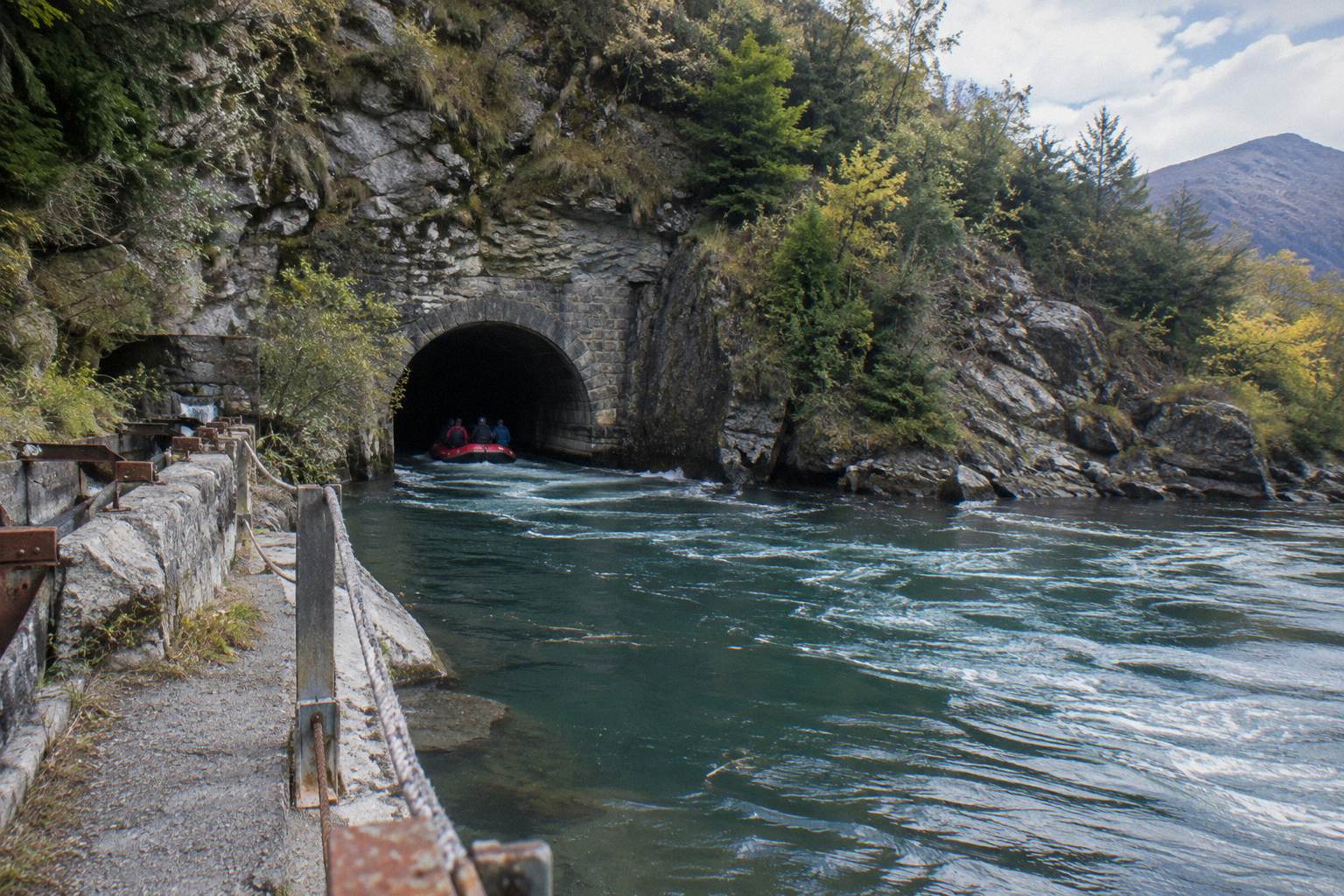
One curious piece of history rides along with the top grades. The 170 m tunnel the rafts float through was built from 1906 by the Oxenbridge brothers to divert the Shotover away from the Jeweller's Shop rapids, which were fabled for gold; the mining company behind it was liquidated in 1912, and Heritage New Zealand's list entry 5607 records that the tunnel is now used primarily by rafting companies. The hardest commercial water in Queenstown finishes through a failed gold mine.
Class 6: The Grade Nobody Sells
Class 6 is the extreme end of the scale, water considered unraftable commercially, attempted only by elite paddlers in carefully chosen conditions if at all, and no Queenstown operator offers it because no commercial operator anywhere offers it. It matters to buyers for one reason: it proves the scale has a hard stop, and grade 5, the Shotover's ceiling, is that stop.
Class 6 rapids combine everything the lower grades escalate: severe gradients, unstable features, passages where a raft cannot be controlled, and rescue conditions that put even trained teams off. The classification exists so the scale can describe every river on earth, not so travel companies can sell it. When a Queenstown operator writes that grade 5 is the highest grade commercially rafted in the world, it is drawing exactly that line. Everything else covered here is indexed on Queenstown White Water Rafting.
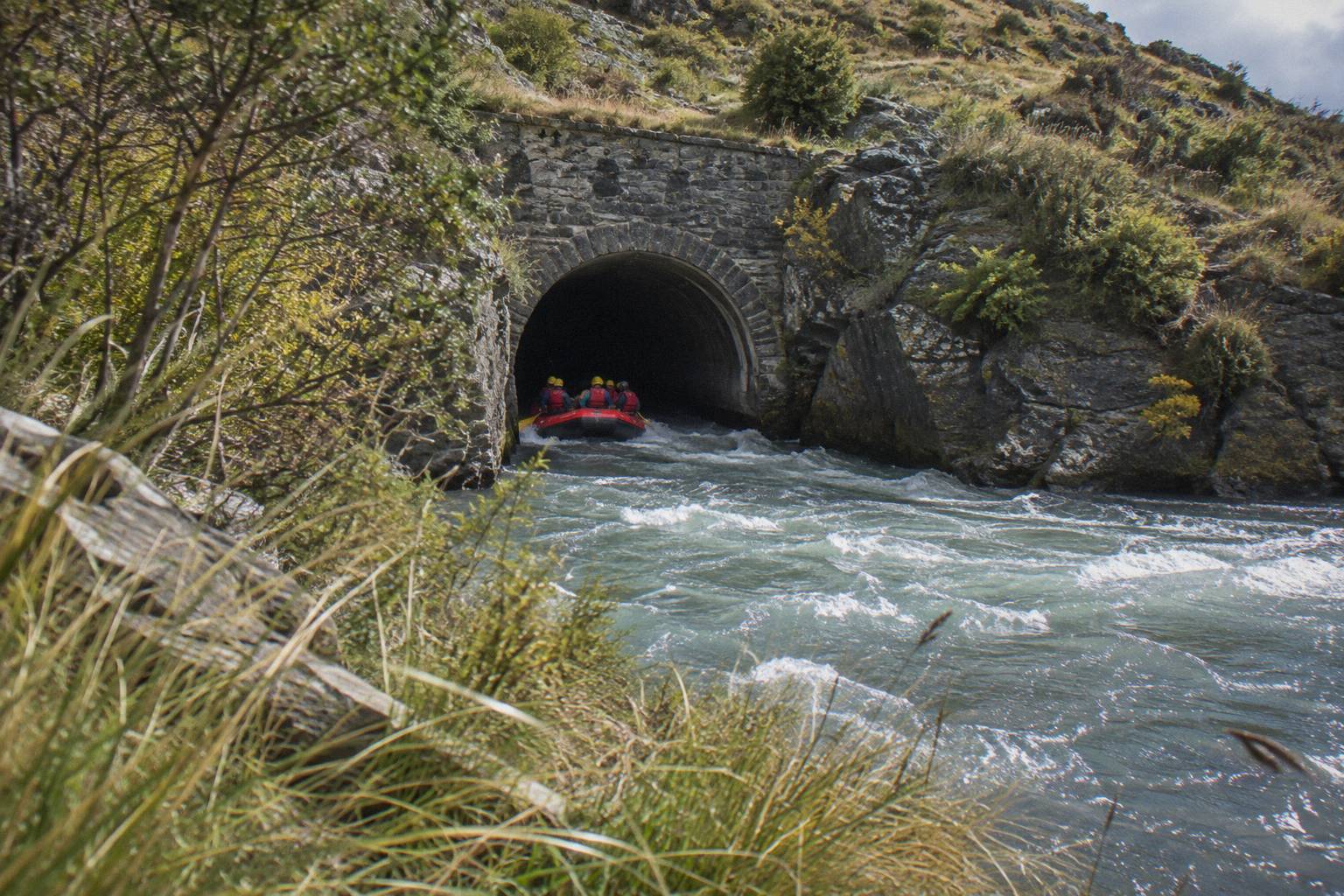
For a reader comparing trips, class 6 functions as reassurance rather than a warning. The ceiling of what you can book in Queenstown is grade 5 on the Shotover, everything below that is a step down in intensity, and nothing on any booking calendar goes further. The scale cannot surprise you past the number printed on the trip.
Every Queenstown Rafting Trip Placed On The Scale
Every Queenstown rafting trip slots onto the international grading scale through the operators' own stated grades: the Family Adventures Skippers Canyon float sits at grade 1 to 2, both Kawarau trips run grade 2 to 3 with a possible grade 4 at higher water, and the two Shotover options from RealNZ and Challenge Rafting sit at grade 3 to 5, with Challenge's rapid series hitting grade 4 to 5. Treat each entry as a range for the day.
| Trip | Operator | Grade | River | Duration | From (per person) |
|---|---|---|---|---|---|
| Rafting And Skippers Canyon Combo | Family Adventures | 1 to 2 | Shotover | 5 hours | NZ$329 |
| Kawarau Rafting Only, Base Fare | RealNZ | 2 to 3, up to 4 at higher water | Kawarau | 4 hours | NZ$249 |
| Rafting Plus Jet Boat Combo | RealNZ | 2 to 3, up to 4 at higher water | Kawarau | 4.5 hours | NZ$329 |
| Shotover Rafting, Half Day | RealNZ | 3 to 5 | Shotover | 4.5 hours | NZ$299 |
| Challenge Rafting, 4 Hours | Challenge Rafting | 3 to 5 (rapid series 4 to 5) | Shotover | 4 hours | NZ$299 |
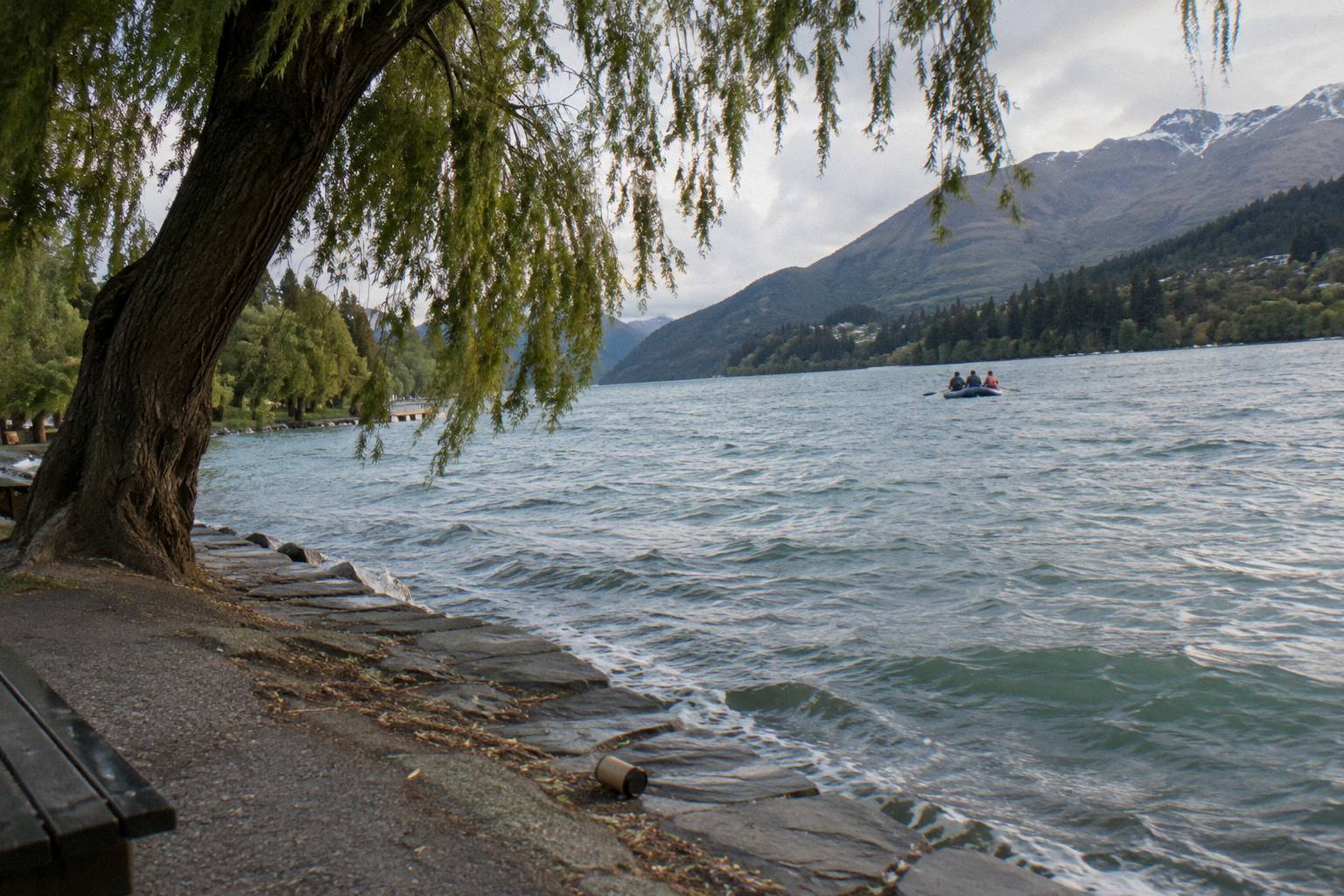
Two rivers produce all of that spread. The Kawarau is the only outlet of Lake Wakatipu, flowing east from Queenstown through the Gibbston Valley, and its 8 km rafted section ends among the wineries. The Shotover, meanwhile, drops out of the canyon above Arthurs Point, the same stretch that the 1862 gold rush made famous when thousands of prospectors dubbed it the richest river in the world. The grade a trip carries comes from the character of that river, not from a company's marketing.
The rating column is worth reading alongside the grade, with review counts attached so the number means something: the RealNZ Shotover trip sits at 4.8 from 346 reviews, the Kawarau rafting-only trip at 4.7 from 48, and the Family Adventures canyon trip at 5.0 from 7 reviews, a small pool from a niche trip. Ratings this consistent across the scale suggest the grade you pick shapes the flavour of the day more than its quality.
Which Grade Should You Choose?
Match the grade to your weakest paddler, not your boldest one. Choose grade 1 to 2 if the group includes children under 13 or anyone who cannot swim, grade 2 to 3 for a first white water trip or a mixed group, and grade 3 to 5 only when everyone can swim 25 m unaided, meets the weight range, and wants the hardest water on the calendar.
The most common mismatch is the confident group that books grade 5 for a member who swims badly, or the nervous group that books grade 2 and spends the whole drive wondering whether they should have been braver. Neither error is dangerous on a guided commercial trip, but both are avoidable. The eligibility rules do part of the filtering for you, and they tighten as the grade climbs.
| Rule | Grade 1 to 2 | Grade 2 to 3 | Grade 3 to 5 |
|---|---|---|---|
| Minimum age | 3 years | 13 years | 13 years |
| Minimum weight | none published | 40 kg | 40 kg |
| Maximum weight | none published | 120 kg | 120 kg |
| Swimming ability | water confidence not necessary | suited to less confident swimmers | must swim 25 m unaided |
| Guardian rules | none published | under 18 guardian consent and waiver | under 16 with a guardian, under 18 signed waiver |
Money should not decide the grade, and in Queenstown it barely can: the Kawarau base fare starts at NZ$249 per person and both grade 3 to 5 Shotover trips start at NZ$299. The NZ$30 difference is not a difficulty discount in either direction. The bigger price step buys a different format altogether, the rafting plus jet boat combo at NZ$329, which adds a 25-minute jet boat transfer covering 22 km of the Kawarau at 95 km/h with 360-degree spins before the rafting. More on that trade-off in rafting versus jet boating around Queenstown.
First-timers with their eye on class 4 water have a genuine question to settle, and it has its own answer in whether a beginner can handle class 4 rapids. The short version: the Shotover accepts beginners who meet the swim and fitness rules, the operator itself flags the higher risk of falling out compared with the Kawarau, and the choice is about appetite, not permission.
Why The Same River Can Change Grade
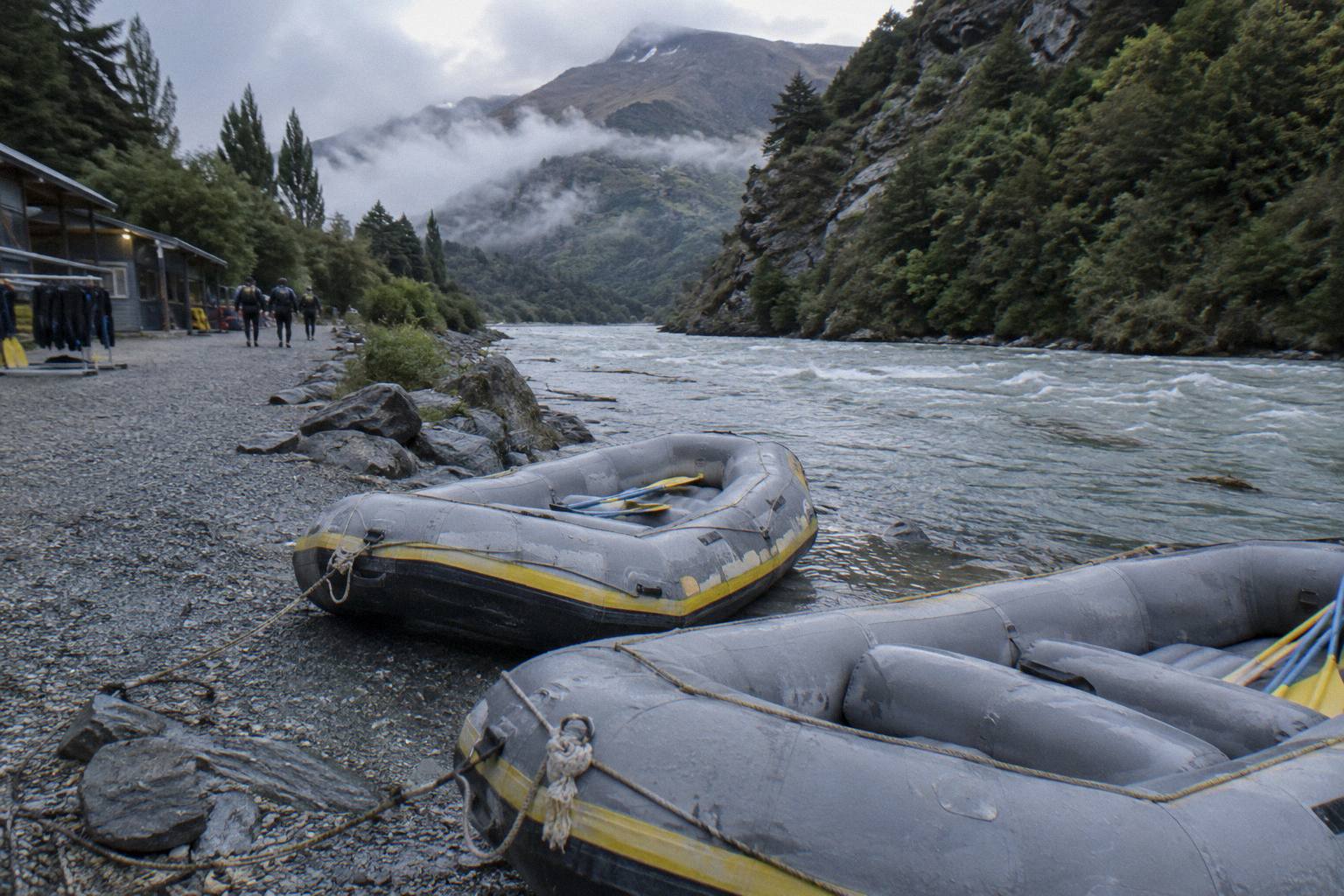
A river's grade is written against its normal water level, and when the level rises the rapids can step up, which is why the Kawarau is described as usually graded 2 to 3 but able to reach grade 4 at higher water. On any given day the water you meet may sit above or below the number on the booking page, and operators manage that with cancellations, portages and minimum guest numbers.
The RealNZ trips run depending on weather, river level and water temperature, portages may be required, and minimum guest numbers apply. A portage, walking the raft and crew around a rapid, is the industry's way of removing a stretch from the day when conditions push it beyond the intended grade. The optional cliff jumping on the Kawarau follows the same logic, offered only when weather and water level allow.
Seasons do some of the pushing. Challenge Rafting states its season outright, November through April, and shuts down entirely from May to early September, since its grade 4 to 5 water is a summer product. The RealNZ pages publish no operating months, so check the booking calendar for the dates you want rather than assuming. For planning around the calendar, the best time for rafting in Queenstown works through the seasons.
Regulation sits underneath all of it. Adventure activity operators in New Zealand must be registered with WorkSafe and have passed a safety audit; it is an offence to provide an adventure activity otherwise, and the public register is searchable by name, activity and location. Graded rivers, audited operators, safety kayaker on the Shotover trips: the scale is the visible part of a system built to make class 5 water bookable.
Common Mistakes When Reading A Rafting Grade
Most grade-related mistakes come from treating the range as a single number: booking grade 3 to 5 and expecting grade 3 water all day, assuming the children's limits apply only to the hard rapids, or reading a top grade as a whole-river difficulty. The grade is a floor and a ceiling, and the practical rules attach to the ceiling, not the average.
The first mistake is ignoring the range. A grade 3 to 5 trip includes grade 3 water, and most of its kilometres are calmer than its headline rapids, but the trip is sold and staffed for its ceiling. The second is filtering by minimum age alone: 13 is the entry age for the Shotover trips, yet under 17s need a guardian on the Challenge Rafting version, under 16s (under 17s on the Challenge Rafting trip) must travel with a guardian on RealNZ trips, and under 18s need a guardian-signed waiver across the board. The third is weight: the 40 to 120 kg range is verified at check-in, not taken on trust. The fourth is clothing: swimwear only under the wetsuit, no cotton, and glasses need a sports strap or stay behind, whatever the grade.
| Mistake | What goes wrong | The fix |
|---|---|---|
| Reading only the floor of the range | Expecting grade 3 water and meeting grade 5 rapids | Plan for the ceiling; the trip is staffed for it |
| Filtering by minimum age alone | A 13-year-old arrives without a guardian | Under 16 needs a guardian, under 18 a signed waiver |
| Assuming weight is taken on trust | Turned away at check-in, outside 40 to 120 kg | Weigh in before you travel |
| Dressing for the grade you wish for | Cotton under the wetsuit, glasses loose | Swimwear only, sports strap or leave glasses |
| Treating the grade as a forecast | Surprised by a portage or a cancelled trip | Trips depend on weather, river level and water temperature |
The fifth mistake is expecting the grade to predict the weather. Trips run depending on conditions, portages happen, and the Kawarau can climb to grade 4 at high water. The number on the booking page is a promise about the river's character, not a forecast.
Common Questions About River Grades
What Do White Water Rafting Grades Mean?
Grades summarise how difficult a rapid is on the international scale from class 1 to class 6. Class 1 is easy moving water, class 3 is moderate white water with irregular waves and narrow passages, class 5 is expert water and the highest grade commercially rafted, and class 6 is extreme and not commercially rafted. A trip is quoted as a range because each rapid carries its own grade.
What Grade Is The Shotover River In Queenstown?
The Shotover trips are graded 3 to 5. The RealNZ trip runs six grade 3 to 5 rapids and the 170 m Oxenbridge Tunnel, and the Challenge Rafting version runs its Mother rapids, six grade 4 to 5 rapids including Aftershock, Squeeze, Toilet and Pinball, before the tunnel and the drop into Cascade Rapid.
What Grade Is The Kawarau River?
The Kawarau is usually graded 2 to 3, and the operator notes it can reach grade 4 at higher water levels. It is described as suited to first-timers and less confident swimmers, with water confidence still recommended. Its signature rapid, The Dog Leg, is 400 m long and described as grade 3/4.
Can A Beginner Do Grade 3 Or Higher Rapids?
Yes, within the rules. Grade 3 is the classic first-timer grade and the Kawarau trips are built for it. The Shotover trips at grade 3 to 5 also accept beginners, but require guests to be water-competent, able to swim 25 m unaided, with moderate fitness, and the operator notes a higher risk of falling out than on the Kawarau.
Is Class 6 Rapids Ever Rafted Commercially?
No. Class 6 is considered unraftable commercially and appears on no operator's calendar. Grade 5 is the highest grade commercially rafted in the world, in the Shotover operator's own wording, so the scale effectively stops at 5 for anyone booking a seat in a raft.
Which Queenstown Rafting Trip Is The Gentlest?
The Family Adventures Skippers Canyon trip, graded 1 to 2 on a gentle stretch of the Shotover. It is suitable for everyone from three years upwards, water confidence is not necessary, and it includes a 45-minute drive into the canyon, 1.5 hours of rafting and gold mining relics along the way.