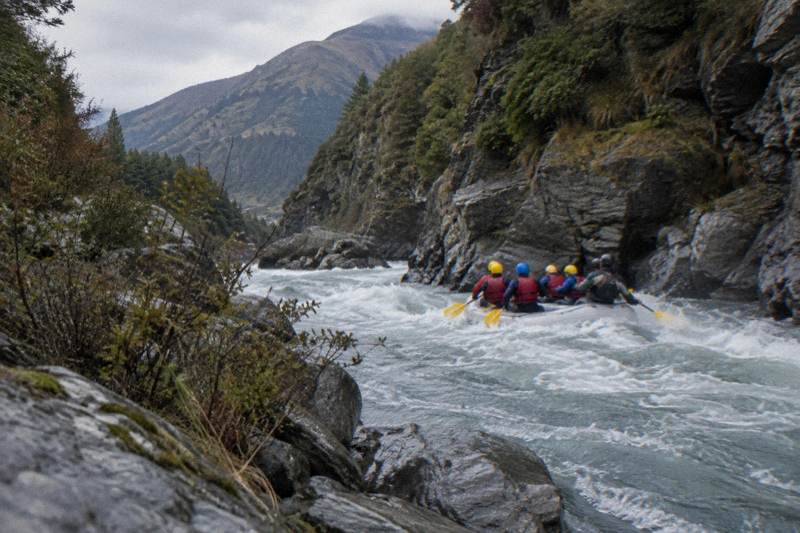
What Is The Fatality Rate Of Whitewater Rafting?
No sourced fatality rate for whitewater rafting is printed here. What the sources do show: New Zealand's safety audit and registration system, the safety systems on Queenstown trips, and who is screened out.
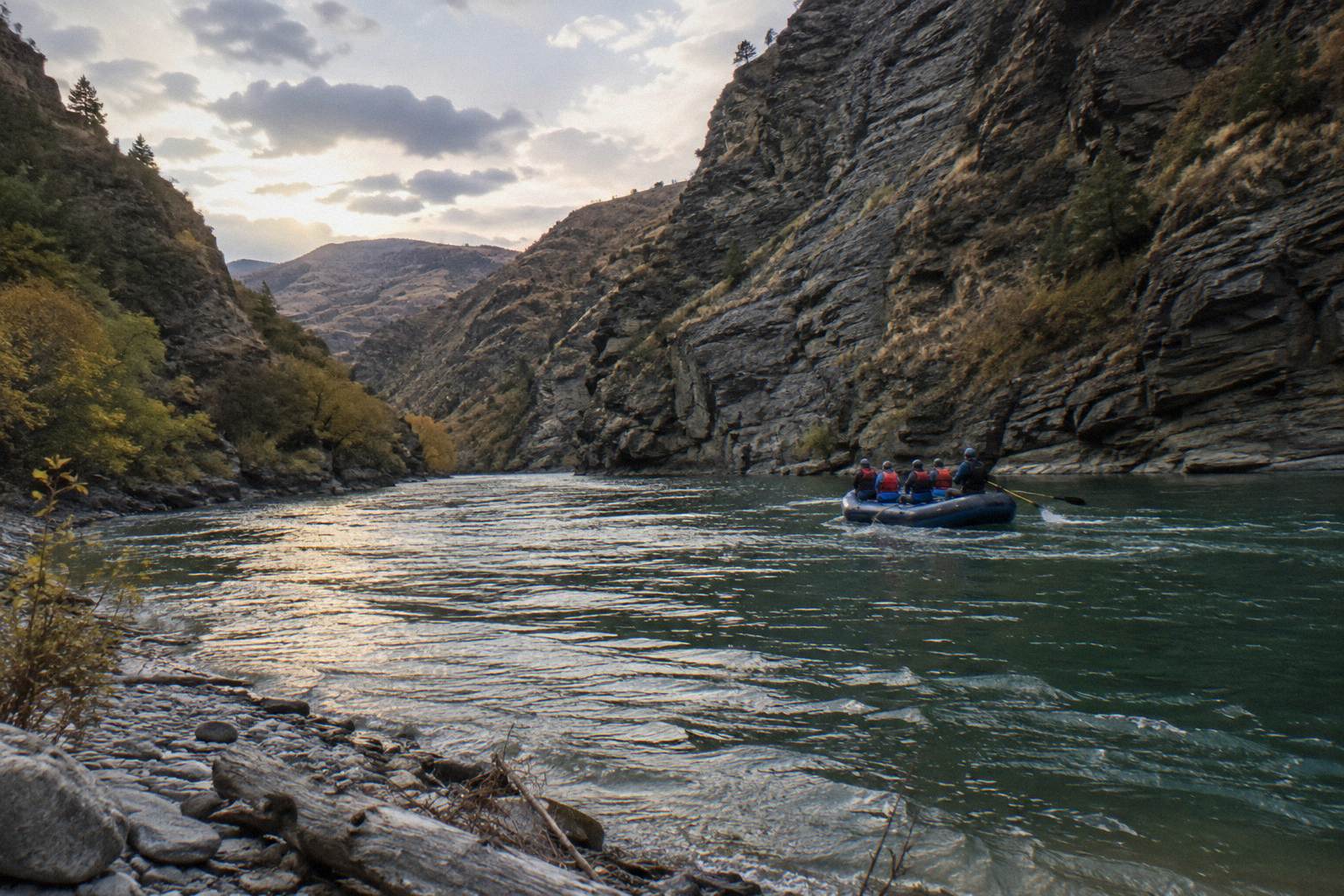
No reliable fatality rate for whitewater rafting appears in the sources behind this article, and inventing a number would be irresponsible, so none is printed here. What the sources do show is the safety system surrounding every commercial Queenstown trip: New Zealand operators must pass a safety audit and be registered, guests are screened for age, weight, heart conditions, pregnancy, and swimming ability, and every raft carries a guide with a safety kayaker alongside.
The question behind the question is nearly always simpler than it sounds. Someone typing it into a search box is usually weighing a specific trip, often a Queenstown one, and wondering whether the risk profile is one they can live with. A single number would be a poor answer even if a reliable one existed, because the fatality profile of a commercial grade 2 float trip and a commercial grade 5 canyon run are different products with different protections around them. Lumping them into one rate would tell a family considering the gentle Skippers Canyon trip nothing useful about their own afternoon.
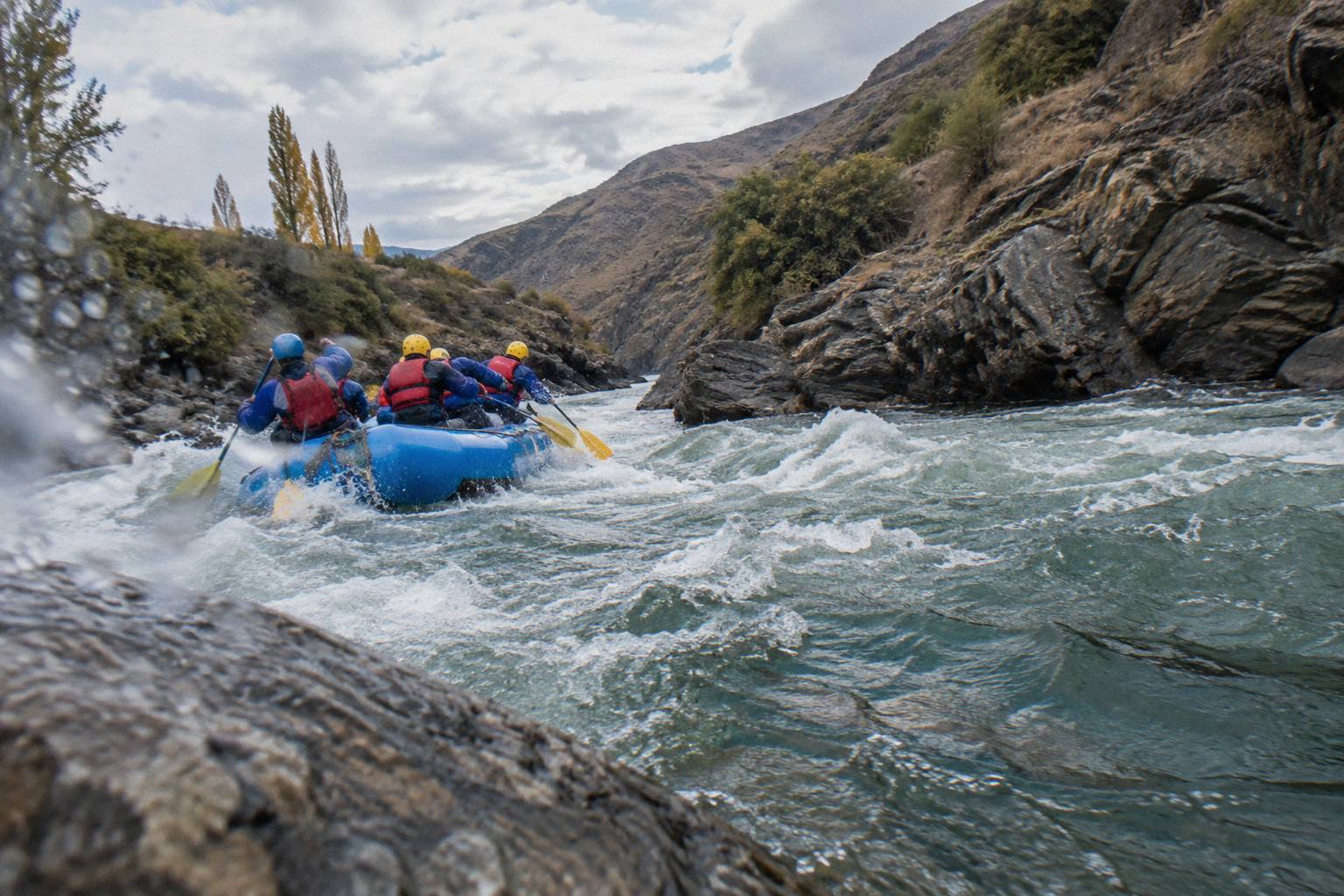
What can be said plainly is structural. Commercial rafting in New Zealand operates inside a regulatory frame that did not always exist, and the river that carries most Queenstown rafting traffic, the Shotover, has a documented safety history preserved by Heritage New Zealand, including one event that permanently changed part of the river. Both are explored below, because they are the sourced answer to the risk question.
For readers already at the decision stage, three trips span the range. The grade 3 to 5 Shotover River Whitewater Rafting Adventure from NZ$299 is the full-throttle version. The Kawarau River Whitewater Rafting trip from NZ$249 runs grade 2 to 3 water that suits first-timers. The Skippers Canyon trip from NZ$329 is a grade 1 to 2 float open to children from three years up.
If the underlying worry is falling out of the raft rather than anything grimmer, that fear is legitimate and worth working through separately: the operator itself says the Shotover carries a higher risk of falling out than the Kawarau, which is exactly why the two rivers split the market between thrill-seekers and first-timers. Our piece on what happens if you fall out of a raft covers the recovery side of that question in detail, and our guide to whether white water rafting is safe works through the same risk framing at book length.
How Is Commercial Rafting Regulated In New Zealand?
Commercial rafting in New Zealand is regulated by WorkSafe New Zealand through its adventure activities register, which lists operators who have passed a safety audit and are authorised to run adventure activities. Providing an adventure activity without being registered, or excluded or exempted by WorkSafe, is an offence, so a commercial rafting trip sits inside a licensed audit system rather than an unregulated one.
The register exists because of a legislative shift in how New Zealand treats adventure tourism. The framing is worth understanding as a traveller: the law places the burden on the operator to be audited and registered before taking paying guests onto a river, not on the guest to evaluate a company's safety culture from a brochure. A reader who wants to see the system for themselves can search the WorkSafe adventure activities public register by name, activity or location.
What the sources do not support is any statement about a specific named operator's registration status, and none is made here. The sourced claim is about the system, not about individual companies. Likewise, no accident count, injury statistic or fatality figure appears anywhere in the verified material, so none appears anywhere on these pages.
The practical takeaway for a booker is a checklist mindset. Commercial trips in New Zealand sit inside an audited framework. Trips state minimum ages, minimum and maximum weights, and medical exclusions in advance. Guides and safety kayakers travel with rafts. Safety briefings are mandatory and guests must be able to understand them in English. Each of those is a sourced fact from the Queenstown trip pages, and each replaces a piece of the reassurance a fatality statistic would falsely promise.
What Safety Systems Run On A Queenstown Rafting Trip?
On the Shotover River Whitewater Rafting Adventure, rafts carry a maximum of eight people including the guide, and a safety kayaker travels on every trip. The same trip provides wetsuit, wetsuit jacket, spray jacket, paddle, helmet, wetsuit booties and life jacket, with hot showers and a valuables locker at the Arthurs Point base. Trips run only depending on weather, river level and water temperature, portages may be required, and minimum guest numbers apply.
That is a dense paragraph of protections, and every clause in it comes from the operator's own material. The structure it describes is defence in depth. The equipment layer is the wetsuit, helmet and life jacket. The people layer is a trained guide in every raft and a kayaker paddling alongside the group with a faster, more maneuverable craft. The judgement layer is the decision to run, portage or cancel based on conditions on the day, which is why trips are described as weather and river-level dependent rather than guaranteed departures.
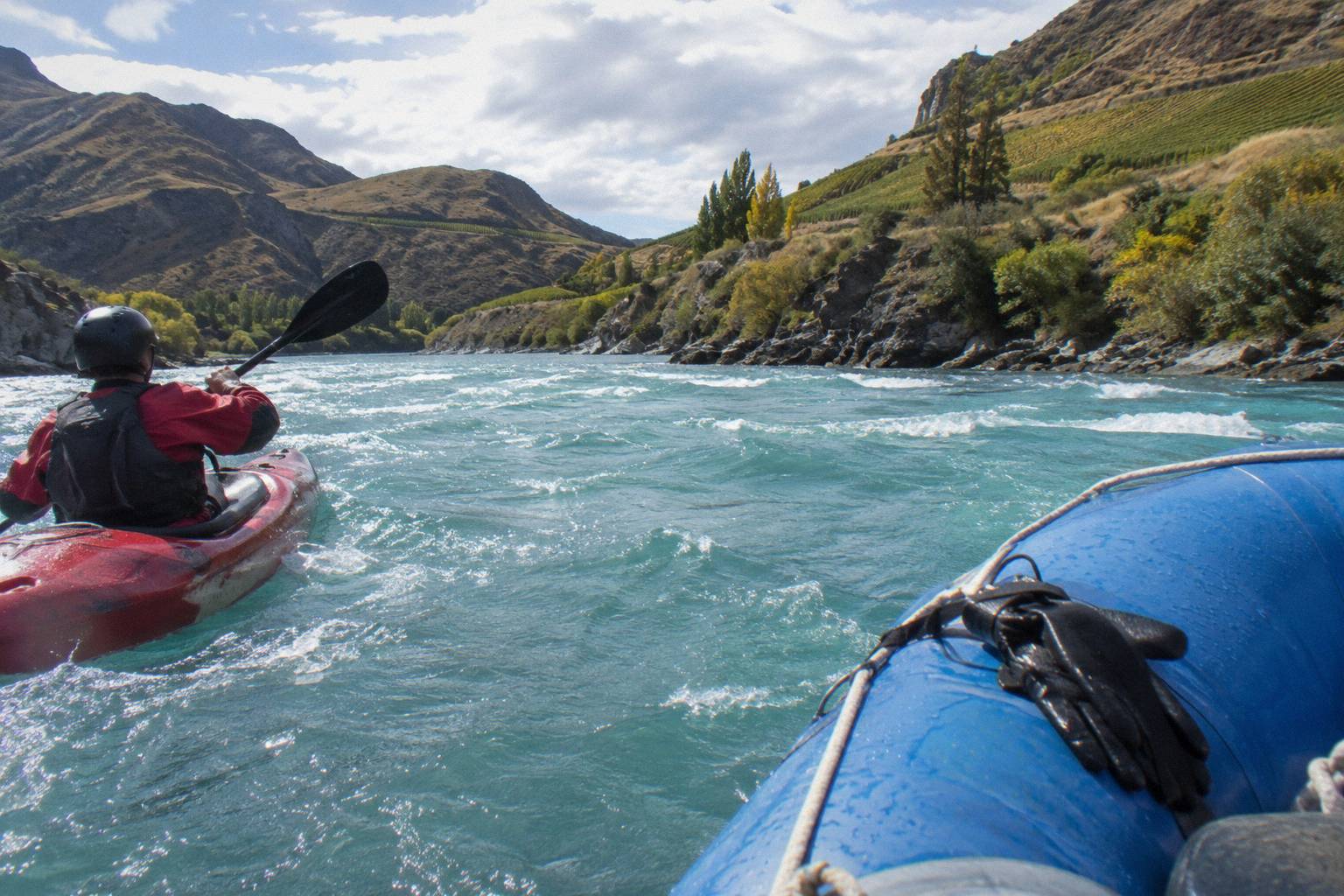
The briefing is its own layer. Every guest signs a waiver, and the requirement that guests understand safety briefings in English is a real operational rule, not a formality: a briefing that is not understood is a briefing that fails at the moment it matters. Photography rules fit the same logic, since nothing, camera or GoPro included, can be taken on the raft, removing a loose object from the paddle zone entirely.
| Safety layer | What it looks like on the water |
|---|---|
| Equipment | Wetsuit, wetsuit jacket, spray jacket, helmet, booties, life jacket, paddle |
| People | Guide in the raft, maximum eight people including the guide, safety kayaker on each trip |
| Judgement | Departures depend on weather, river level and water temperature; portages may be required |
| Briefing | Safety briefing before the river, waivers signed by every guest |
| Base | Hot showers, toilets and a valuables locker at the Arthurs Point rafting base |
A reader comparing rivers can carry the same checklist to the Kawarau. The Kawarau River Whitewater Rafting trip runs 8 km of grade 2 to 3 water, ending in the Gibbston Valley, and the operator describes it as suited to first-timers and less confident swimmers. It carries the same equipment list and hot showers, and its itinerary includes a 30-minute safety briefing before anyone reaches the river.
Who Gets Screened Out Before The Trip?
Screening on the Queenstown trips is explicit and happens at booking and again at check-in. Minimum age is 13 on the grade 3-plus rivers, minimum weight is 40 kg, maximum is 120 kg, and weight is verified at check-in. Any heart condition except blood pressure managed with medication excludes, pregnancy excludes on grade 3 and above, guests must be water-competent and able to swim 25 m unaided, and everyone must understand safety briefings in English.
The point of screening is that the risk is managed before anyone is on the water. A guest who cannot swim 25 m unaided is not placed in a grade 5 canyon. A guest with a heart condition is not asked to paddle hard in cold water. Weight limits are checked at check-in because they are equipment limits, not judgements: a life jacket and wetsuit are sized and rated, and a raft's performance depends on the load it carries.
| Screening rule | What the sources say |
|---|---|
| Age | Minimum 13; proof of age may be required; under 16 travels with a guardian; under 18 needs guardian consent and a signed waiver |
| Weight | Minimum 40 kg, maximum 120 kg, verified at check-in |
| Medical | Any heart condition except blood pressure managed with medication excludes; pregnant guests excluded on grade 3 or above |
| Water competence | Must be able to swim 25 m unaided, with moderate fitness |
| Briefing | Guests must understand safety briefings in English |
There is no maximum age. A good level of physical fitness is asked for, disabilities are assessed case by case, and extra-large and child-size wetsuits are available, which tells you the screening is calibrated rather than blanket. The gentle end of the scale goes further still: the Skippers Canyon trip is described as suitable for everyone from three years upwards, with water confidence not necessary, on grade 1 and 2 rapids. That is the trip that answers families whose children fall below the 13-year threshold on the other rivers, and it is a reminder that "rafting" spans a spectrum from float to full grade 5.
What to wear matters more than nervous readers expect, because the operator's rules are specific: swimwear only under the wetsuit, no cotton, and glasses need a sports strap or stay behind. The reasoning is straightforward, cotton holds water and loses warmth, and loose glasses are a hazard on a moving raft. Our guide on what to wear white water rafting and the companion piece on rafting shoes and Crocs cover the kit question from head to toe.
Why The Oxenbridge Tunnel Carries A Safety Story
The Oxenbridge Tunnel carries a safety story because a 1995 American tourist death at the Toaster, the tunnel's northernmost original outlet channel, led Heritage New Zealand to have that section filled in. It remains the only fatality on record in these sources, and the change it forced, rebuilding the river's physical layout after tragedy, still shapes how the tunnel is used today.
The tunnel itself began as a gold scheme. Bert and Edmund Oxenbridge started it in 1906 to divert a large part of the Shotover away from the Jeweller's Shop rapids above Arthurs Point, rapids fabled for the gold trapped in their bed. The expected length was 550 ft, about 168 m, and operators today give 170 m. The Arthurs Point Gold Mining Company was incorporated in October 1909, returned its first gold in 1911, was liquidated in August 1912, and there is no evidence of mining use after 1912. A failed mine became, a century later, the signature feature of Queenstown's biggest rafting trip: rafts on the grade 3 to 5 Shotover run pass through the tunnel and finish in the rapids beyond it.
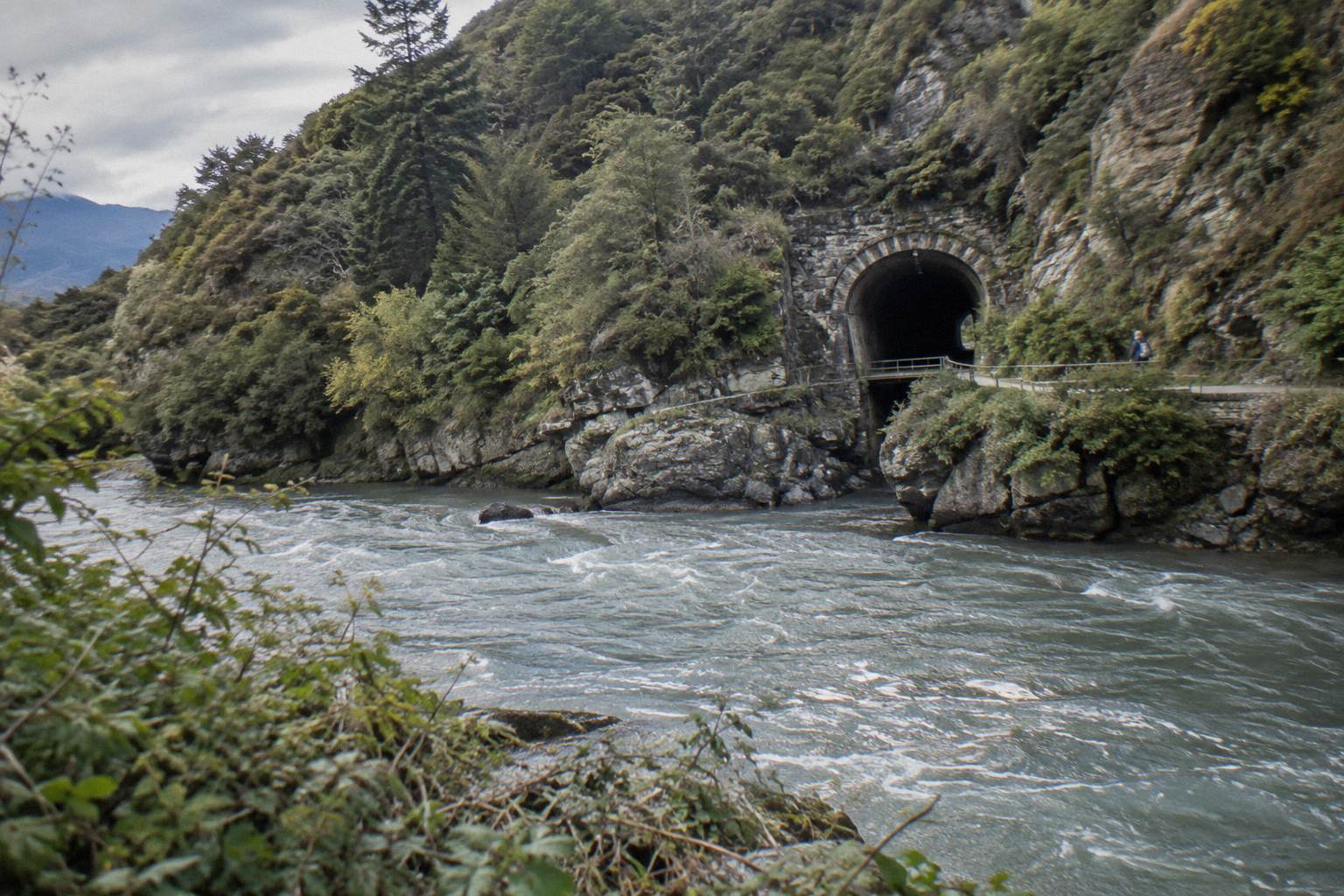
The 1995 clause deserves to be read carefully. It does not involve a rafting customer on a guided commercial trip, and no detail beyond what Heritage New Zealand records is printed here. Its relevance is what happened next: a channel was filled in, permanently, and the river that today's rafts run is not the river as it was. Readers can trace the story through the Heritage New Zealand list entry for the Oxenbridge Tunnel, and walkers can see the tunnel diversion itself from the Department of Conservation's viewpoint on the Oxenbridge Tunnel Track, a short easy 20-minute walk reached by turning left just before the Edith Cavell Bridge at Arthurs Point, ending at a viewpoint over the diversion and an old steam engine.
The tunnel also shapes how the trips are watched. There are no spectators on the river itself, but viewers can stand near the last rapid as rafts exit the tunnel, though timing varies. RealNZ also notes that its jet boat and rafting trips never share a stretch of river except a 500 m stretch after the Oxenbridge Tunnel, a small but telling operational detail: even where the two activities meet, the sharing is bounded and defined.
What Does Grade 5 Actually Mean On A Commercial Trip?
On the international river scale from class 1 to class 6, grade 5 is the highest level commercially rafted anywhere in the world, and class 6 is never run commercially. By comparison, the operator describes its grade 2 to 3 Kawarau water as suited to first-timers and less confident swimmers, while its grade 1 to 2 Skippers Canyon trip needs no water confidence at all.
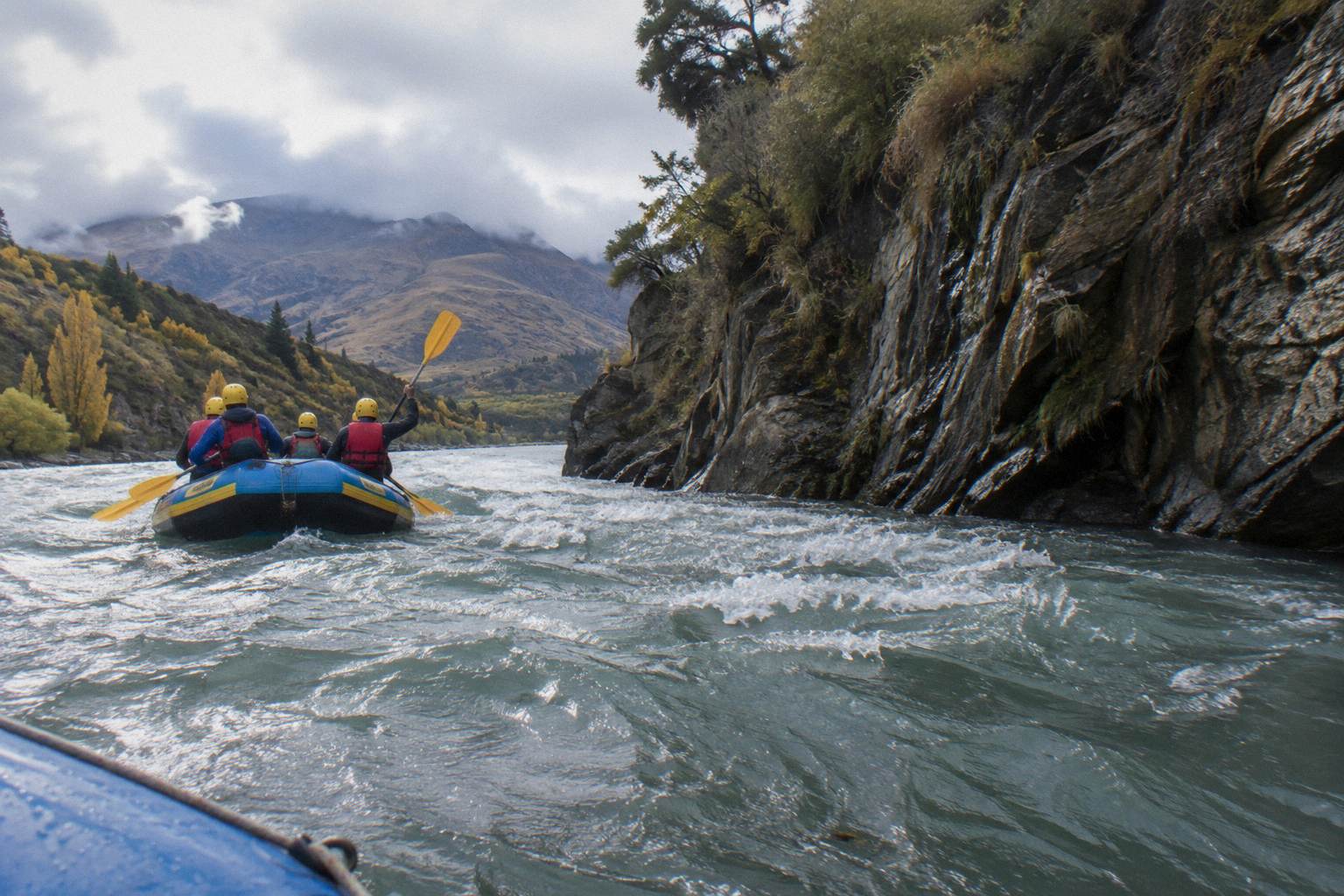
The grade on the page is therefore the single most useful risk indicator a booker has, far more useful than any aggregate rate. A grade 5 run means continuous, powerful water where the guide's line-reading and the crew's paddling both matter. A grade 2 to 3 run means waves and drops that are fun without demanding technique. The Kawarau's grade is also conditional in a sourced way: it is usually graded 2 to 3 but can reach grade 4 at higher water levels, which is exactly the kind of live variability the departure rules, weather and river level dependent, are built to manage.
| Trip | River | Grade | Who it suits |
|---|---|---|---|
| Shotover River Whitewater Rafting Adventure | Shotover | 3 to 5 | Water-competent guests, 13 plus, seeking the biggest water |
| Kawarau River Whitewater Rafting | Kawarau | 2 to 3, reaching 4 at higher levels | First-timers and less confident swimmers, 13 plus |
| Rafting and Skippers Canyon tour | Shotover, upper canyon | 1 to 2 | Families, ages 3 up, no water confidence needed |
The screening tiers track the grades exactly, which is the system working as designed. Grade 3 and above excludes pregnant guests, requires swimming 25 m unaided and moderate fitness. Grade 1 to 2 welcomes three-year-olds in swimsuits. A reader wondering where they belong can work backwards from the grade table in our white water rafting grades explained guide, or start from the specific question of what grade Shotover River rafting is.
For anyone whose real question is whether grade 5 is reckless, the sourced answer is comparative and structural. Grade 5 is the ceiling of commercial rafting worldwide, it runs with a guide and safety kayaker per raft, departures bend to conditions, and guests who cannot meet the swimming and fitness bar are screened out before check-in. Whether that stack of protections feels sufficient is a personal call, but it is the actual decision, made on real facts rather than on a number that no source provides.
Common Questions About Rafting Safety
What Is The Fatality Rate Of Whitewater Rafting?
No sourced fatality rate for whitewater rafting exists in the material behind these pages, so no number is printed here. The sourced answer is structural: New Zealand adventure activity operators must be registered and have passed a safety audit, guests are screened for age, weight, medical conditions and swimming ability, and rafts carry a guide with a safety kayaker on every trip.
Is Commercial Rafting In New Zealand Regulated?
Yes. WorkSafe New Zealand runs a public register of adventure activity operators, described as operators who have passed a safety audit and are authorised to provide adventure activities. It is an offence to provide an adventure activity unless the operator is registered, or excluded or exempted by WorkSafe. The register is searchable by name, activity and location, with statuses of Current, Cancelled and Suspended.
What Safety Equipment Is Provided On A Queenstown Rafting Trip?
Wetsuit, wetsuit jacket, spray jacket, paddle, helmet, wetsuit booties and life jacket. The Arthurs Point base has hot showers, toilets and a valuables locker, and nothing, camera or GoPro included, can be taken on the raft.
Who Cannot Go Rafting On The Shotover?
Guests under 13, under 40 kg or over 120 kg, anyone with a heart condition except blood pressure managed with medication, pregnant guests on grade 3 or above, and anyone unable to swim 25 m unaided. Weight is verified at check-in, and guests must understand safety briefings in English.
Can Beginners And Children Go Rafting In Queenstown?
Yes. The Kawarau runs grade 2 to 3 water described as suited to first-timers and less confident swimmers, from age 13. The Skippers Canyon tour runs grade 1 to 2 rapids, is described as suitable for everyone from 3 years upwards, and needs no water confidence.
What Was The Safety Change On The Shotover River?
Heritage New Zealand records that the 1995 death of an American tourist led to the filling in of the Toaster, the farthest north of the two original outlet channels of the Oxenbridge Tunnel. The tunnel still carries the Shotover flow as of 2023 and is used primarily by rafting companies.
For a fuller comparison of the two main rivers, our Queenstown White Water Rafting coverage includes a dedicated Shotover versus Kawarau breakdown, and the question of fitness is covered in whether you need to be fit for white water rafting. Readers weighing the Shotover trip itself can also read up on how long a Shotover rafting trip is before committing a half day to it.