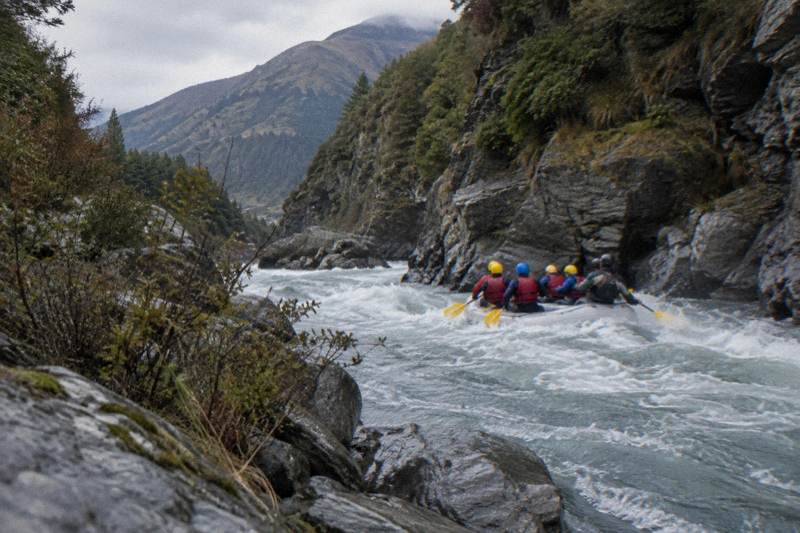
How Cold Is The Water When Rafting In Queenstown?
Queenstown rafting operators run their trips based on water temperature, river level and weather. Here is what that means for your day on the Shotover or Kawarau, the kit provided and the hot showers waiting afterwards.
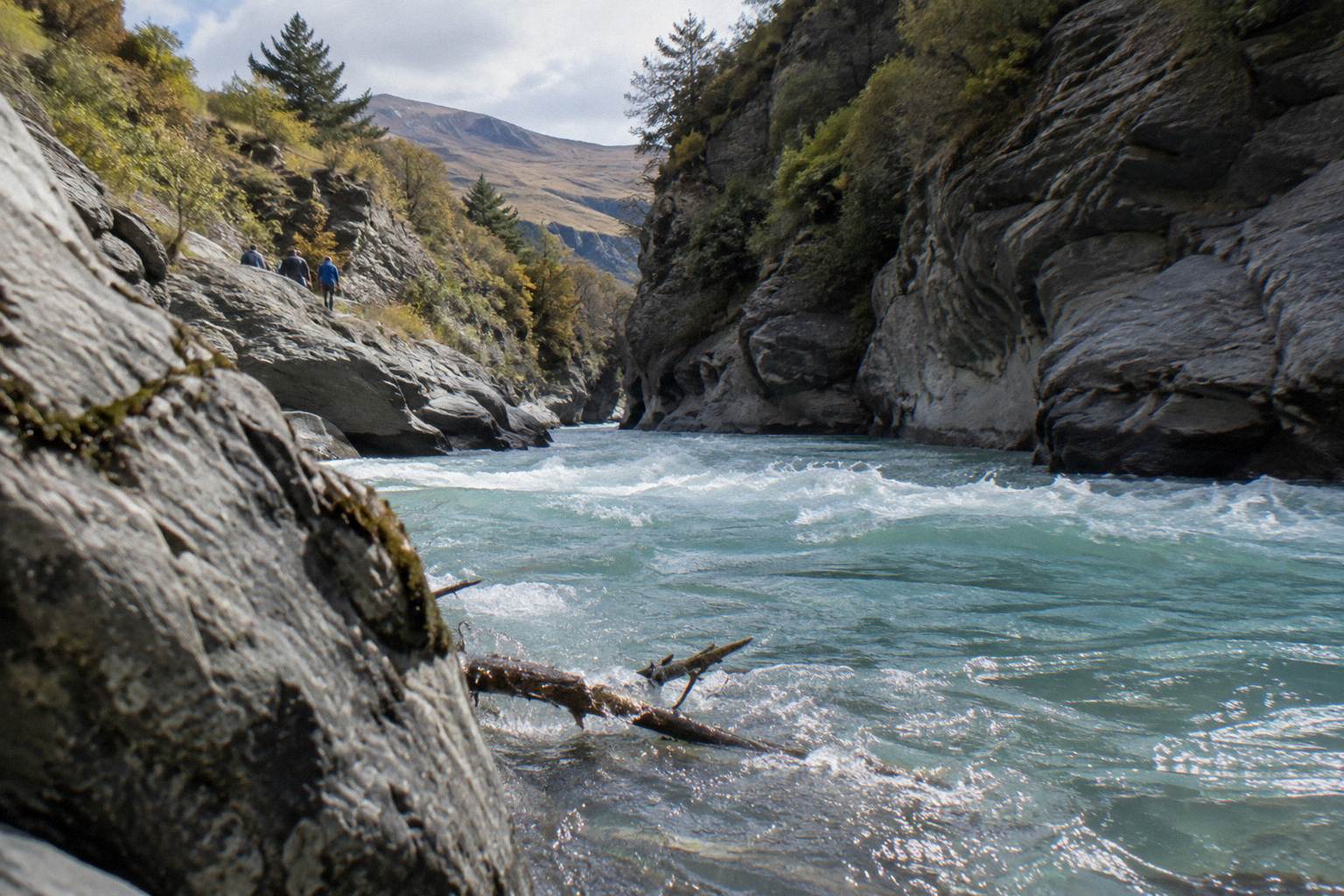
No operator in Queenstown publishes a water temperature figure for either the Shotover or the Kawarau, so there is no sourced number to quote. What the operators do say is that water temperature is one of three factors, alongside weather and river level, that decides whether a Shotover trip runs on any given day. The answer to the cold question is not a thermometer reading but a kit list.
The Shotover River drains country behind Coronet Peak and runs through a narrow schist gorge before reaching Arthurs Point, and the Kawarau is the only outlet of Lake Wakatipu, flowing east from Queenstown towards the Gibbston Valley. Both are snow-fed mountain rivers, and the people who run commercial trips on them treat cold water as a daily operating condition rather than an occasional surprise. Trips run dependent on weather, river level and water temperature, portages may be required, and minimum guest numbers apply before a departure goes ahead.
That last clause carries real weight for anyone booking in shoulder season. A trip can be rescheduled or adjusted because the water is colder or higher than the operator wants, and a rafted rapid can be portaged, which means the crew walks the raft around a section instead of paddling it. This is a normal part of commercial rafting on a mountain river, not a sign that anything has gone wrong. It also means the operator is reading the river every single morning, which is a far better protection for you than any static figure on a website could ever be.
The practical takeaway for a visitor is simple. You will be given a full wetsuit, a wetsuit jacket, a spray jacket, a helmet, wetsuit booties and a life jacket on every Queenstown rafting trip, and hot showers wait at the rafting base at the end. Cold water is designed around, not hidden from. For planning what to put under all that rubber, the what to wear under a wetsuit guide covers swimwear, cotton and glasses rules in detail.
Why There Is No Published Temperature Number
Commercial rafting operators in New Zealand describe their rivers by grade, season and operating conditions, not by thermometer readings, and none of Queenstown's operators publishes a water temperature for the Shotover or the Kawarau. The number would change week to week with snowmelt and rainfall, so it would mislead more than it informs. The stable, checkable facts are the grade statements and the seasons each trip runs.
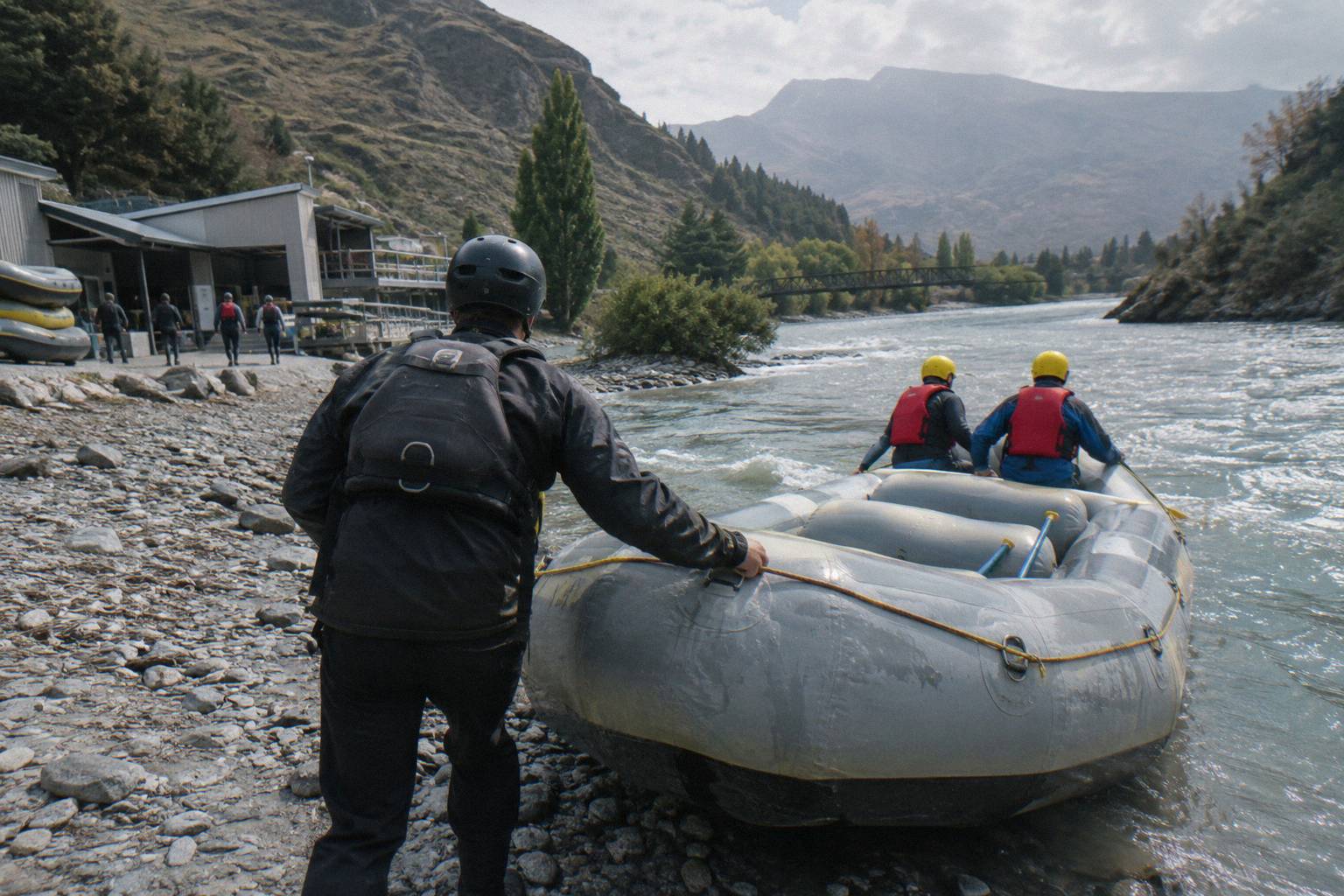
Grade is the language the industry uses to describe difficulty, and it is worth learning because it tracks with how much water is moving. The international river difficulty scale runs from class 1, easy, to class 6, extreme, which is not commercially rafted. The Shotover trips run grade 3 to 5, and the operator's own wording is that grade 5 is the highest grade commercially rafted in the world. The Kawarau trips run grade 2 to 3, usually, though the operator notes the river can reach grade 4 at higher water levels. Higher water and colder water often arrive together in spring, which is exactly why the operators keep their go or no-go decision tied to conditions on the day rather than a calendar promise.
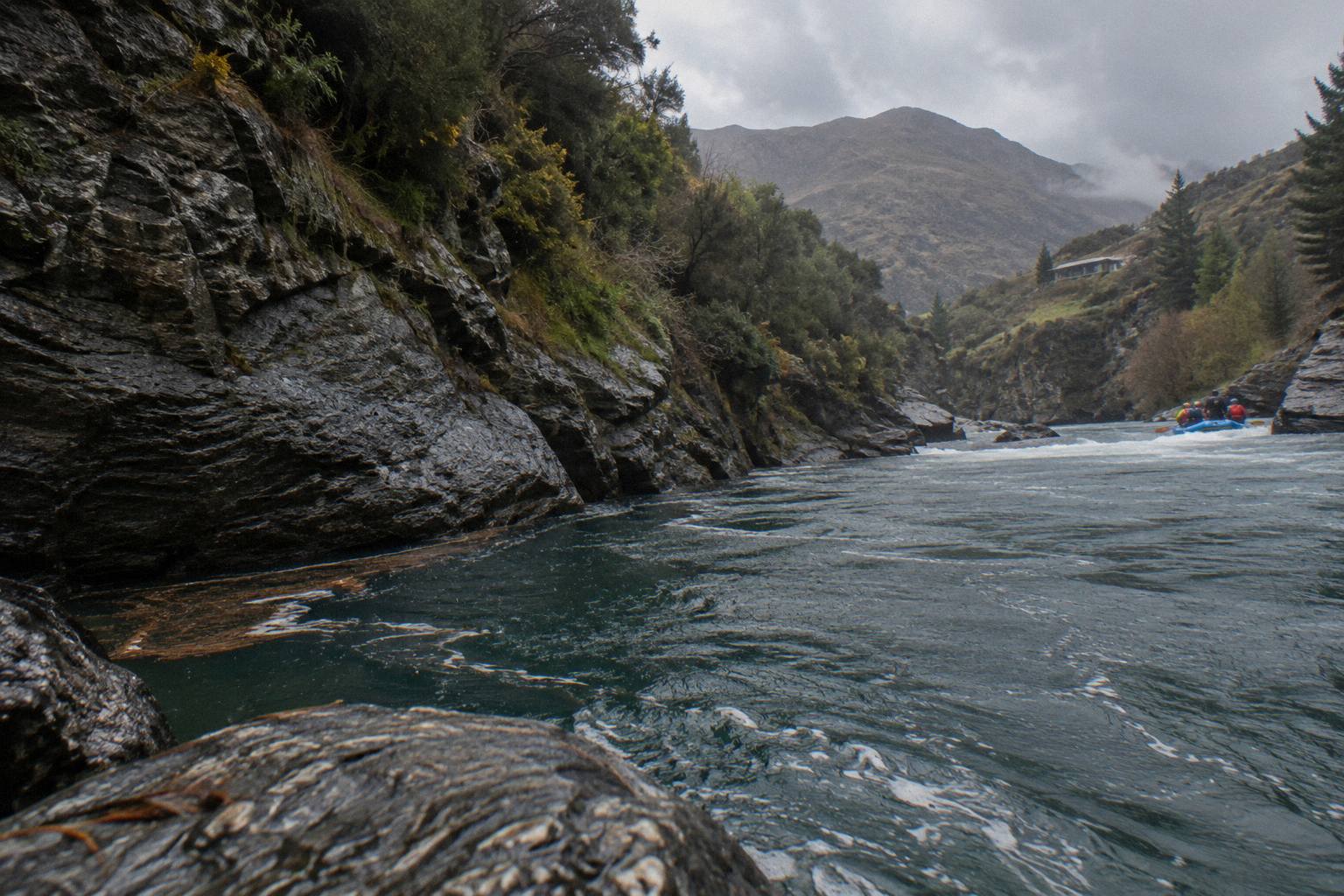
The conditions clause is published plainly. Trips operate dependent on weather, river level and water temperature, and portages may be required if a rapid is running at a level the operator does not want to paddle. If you want a temperature figure for a specific week, ask the operator when booking, because they read the river daily and no static page could hold that number for them. A phone call a few days before your trip gets you a real answer from the people standing on the bank, which beats any forum thread written years ago by someone who visited once.
There is a regulatory layer behind all of this as well. Adventure activity operators in New Zealand must be registered with WorkSafe and must have passed a safety audit, and WorkSafe keeps a public register of adventure activity operators searchable by name, activity and location. That regime is why conditions-based cancellations and portage decisions are treated as standard practice rather than discretionary extras. An operator who cancels a departure because the river is running wrong is doing exactly what the safety system expects of them.
The Kit That Answers The Cold
Every commercial rafting trip in Queenstown issues the same thermal answer to cold water: a full wetsuit, a wetsuit jacket, a spray jacket, a helmet, wetsuit booties and a life jacket, all included in the price. On the Shotover trips the kit list comes with hot showers and a valuables locker at the Arthurs Point raft base, and the Kawarau trips provide the same equipment and hot showers. Nobody brings their own thermal protection.
The layering matters more than most first-timers expect. The wetsuit does its job by trapping a thin film of water against your skin, which your body warms, which is why operators are specific about what goes underneath: swimwear only, and no cotton. Cotton holds water against the skin and stops the wetsuit working the way it should. Glasses need a sports strap or should stay behind, and nothing, camera or otherwise, can be taken on the raft on the RealNZ Shotover trip, so a towel, dry clothes and a locked locker do more for your comfort than any gadget.
| Item provided | What it does |
|---|---|
| Wetsuit | Traps a warm layer of water against the skin |
| Wetsuit jacket | Adds thermal insulation over the wetsuit core |
| Spray jacket | Blocks splash and wind on the paddle down |
| Wetsuit booties | Insulates feet in and out of the raft |
| Helmet | Protects the head in the gorge |
| Life jacket | Keeps you buoyant in the water |
Raft sizes and staffing also reflect the environment. Rafts on the Shotover carry at most eight people including the guide, and a safety kayaker travels on each trip. That is a lot of trained attention per raft, and it exists precisely because the water is cold and moving, and because the operator's own materials say the Shotover carries a higher risk of falling out than the Kawarau. Guests must be water-competent, meaning able to swim 25 m unaided, with moderate fitness. Extra-large and child-size wetsuits are available, so the fit of the kit itself is solved at the base rather than left to chance.
The right clothing decisions are worth getting right before you arrive, and the wetsuit and gear provided rundown goes through each item and what it does. If you are still weighing what goes in your day bag beyond swimwear and a towel, the what to bring rafting checklist is the companion piece.
Seasons, Snowmelt And When Trips Actually Run
Challenge Rafting runs its Shotover trip from November through April and states plainly that it does not operate rafting during the winter season, which it defines as May to early September. The RealNZ trips publish no operating months, so their calendar shows only on the booking page. Spring snowmelt and summer flows shape the season, and the winter closure is the clearest published signal of how seriously these operators take cold conditions.
A river that is fed by snow behind Coronet Peak behaves differently across the year, and the operators respond rather than fight it. The November to April window for the Challenge Rafting Shotover trip matches the warmest water and the most predictable levels. Winter in the Wakatipu basin is cold enough that commercial grade 4 to 5 rafting pauses entirely for one operator, which tells you the summer question is not whether the water is cold but how the trip is built around it.
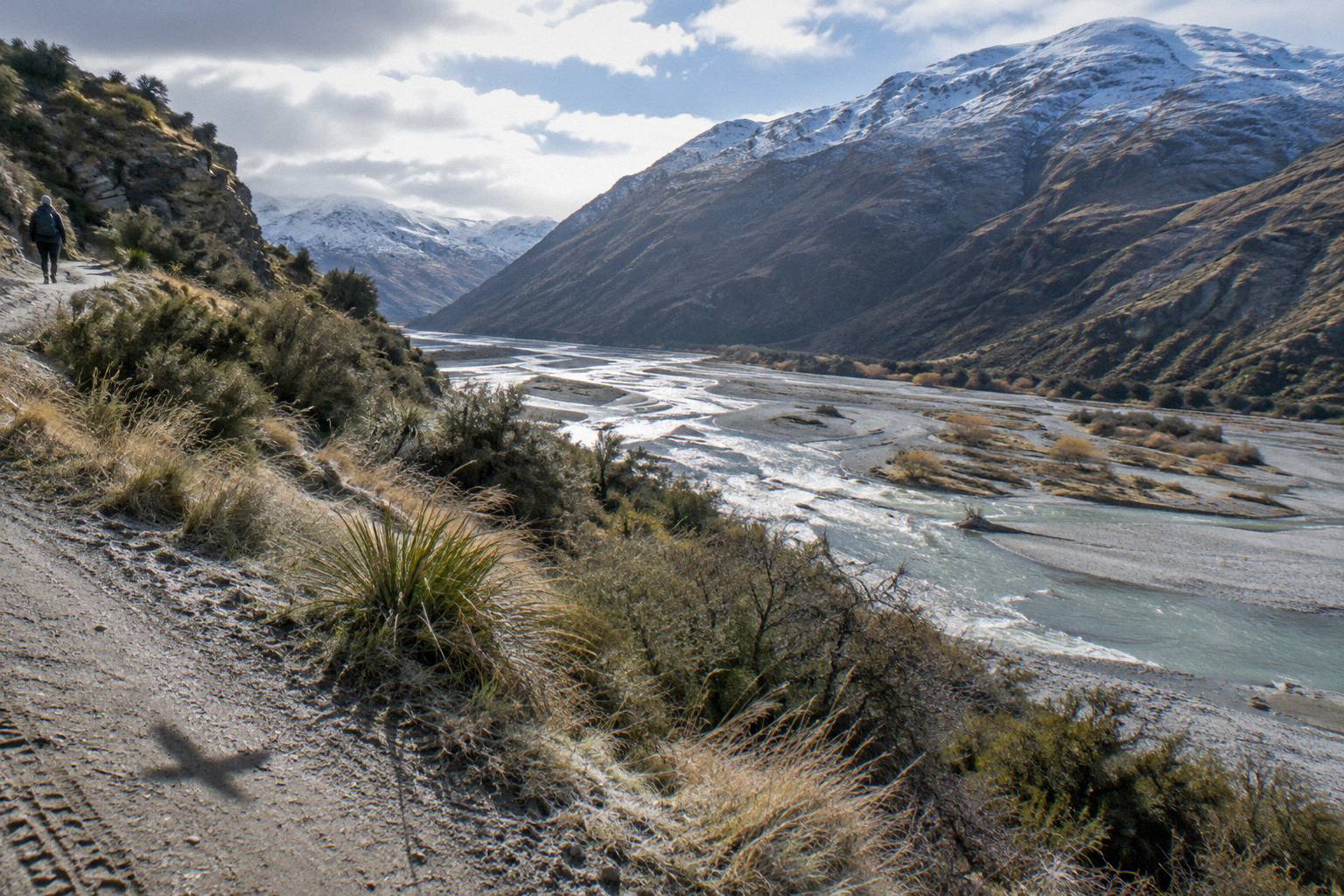
The history of the gorge underlines how much water moves through this country. The 1862 gold rush on the Shotover, dubbed the richest river in the world at the time, brought thousands of prospectors, and the Heritage New Zealand entry for the Oxenbridge Tunnel records the machinery they left behind. The tunnel the rafts now paddle through was begun in 1906 by the Oxenbridge brothers to divert the river away from gold-bearing rapids, and today it still carries the Shotover's flow and is used primarily by rafting companies. A mining scheme that failed commercially ended up giving the town its most famous 170 m of flat water to float through in the dark.
Choosing your month is the single biggest cold-related decision you control, and the best time for rafting in Queenstown compares the seasons against what each one does to the water.
The Queenstown: Shotover River Whitewater Rafting Trip run by Challenge Rafting punches through the same 170 m Oxenbridge Tunnel after a series of six grade 4 to 5 rapids with names like Aftershock, Squeeze, Toilet and Pinball, finishing with the drop into Cascade Rapid. Professional photos are included in the booking, so the moment you would otherwise want a camera for is already handled. Check-in is at 88 Beach Street, or you can self-drive to the raft base at 1 Arthurs Point Road, Arthurs Point.
The Two Rivers, Two Very Different Days
The Shotover trips run grade 3 to 5 water through a tight gorge, while the Kawarau trips run grade 2 to 3 across 8 km of wider river, and the operator recommends the Kawarau for first-timers and less confident swimmers. The Shotover demands water competence and carries a higher risk of falling out, the Kawarau even offers an optional cliff-jump. Cold water shapes both trips, but it bites harder in the gorge.
The contrast is the most useful planning fact on this whole topic. If cold water is your main worry, the Kawarau's gentler grade, wider channel and first-timer focus make it the softer introduction, with water confidence still recommended rather than demanded. The RealNZ materials position the two rivers explicitly this way, and the grade statements back them up: grade 2 to 3 usually on the Kawarau against grade 3 to 5 on the Shotover, with the Dog Leg, 400 m long and called the longest commercially rafted rapid in New Zealand, as the Kawarau's signature feature.
| Factor | Shotover trips | Kawarau trips |
|---|---|---|
| Grade | 3 to 5 | 2 to 3, can reach grade 4 at higher water |
| Suitability | Water-competent swimmers, moderate fitness | First-timers and less confident swimmers |
| Distance rafted | 14 km | 8 km, ending in the Gibbston Valley |
| Falling-out risk | Operator states higher than the Kawarau | Lower, per operator comparison |
| Signature feature | 170 m Oxenbridge Tunnel | The Dog Leg, 400 m rapid |
| Extras | Hot showers, valuables locker at the base | Optional cliff jumping and swimming a rapid |
The deeper comparison, including how the Family Adventures Skippers Canyon trip fits families with children from three years up on grade 1 to 2 water, is in the Shotover versus Kawarau rafting comparison.
The Queenstown: Kawarau River Whitewater Rafting trip runs from NZ$249 per person for a 4 hour experience rated 4.7 from 48 reviews, meeting at the RealNZ Visitor Centre at 88 Beach Street. The full day breaks down as bus to the base, a 30 minute safety briefing, 1 hour of rafting, a break, and the drive back through the Gibbston Valley wineries, with the same thermal kit and hot showers as the bigger river. The river has a film credit too, appearing as the River Anduin in Lord of the Rings, which surprises nobody who has stood on its bank at dusk.
Hot Showers, Photos And The End Of The River
Both rivers finish their trips with warmth built into the schedule: hot showers at the Arthurs Point raft base on the Shotover, hot showers at the Rafters Lodge on the Challenge Rafting trip, and hot showers after the Kawarau runs as well. Nothing can be taken on the raft on the RealNZ Shotover trip, and professional photos are included in the Challenge Rafting booking. The cold, wet part of the day is bracketed by warmth.
The end-of-trip routine deserves more attention than it gets. You spend an hour or more in a wetsuit in a snow-fed river, paddling grade 3 or 4 water, and then you step off the raft at a base with changing facilities, showers and a locker that held your dry clothes and wallet the whole time. Toilets sit at the raft base and at Deep Creek where the Shotover trips put in. The design assumption is that you will be cold and then warm again within the hour, not that you will tough it out.
Spectating works the same way. No spectators travel on the river, but viewers can stand near the last rapid where rafts exit the Oxenbridge Tunnel at Arthurs Point, though timing varies with each departure. If someone in your group would rather watch than paddle, the Oxenbridge Tunnel Track, a short DOC walk from just before the Edith Cavell Bridge, reaches a viewpoint over the historic tunnel diversion and an old steam engine in about 20 minutes. It is the rare viewpoint where you can watch other people take the cold water and stay dry yourself.
Common Mistakes People Make About Queenstown River Water
The biggest mistake is treating the cold as a reason to wait for a warmer day rather than choosing the right river, when the river, the grade and the kit do far more for comfort than the date does. The second is trusting a number from a travel forum, when no operator publishes a temperature at all. The third is showing up in cotton or expecting to bring a camera on the raft.
| Mistake | What the operators actually say |
|---|---|
| Waiting for a "warm water" week to book | No temperature is published; trips run on weather, river level and water temperature decisions made by the operator |
| Wearing cotton under the wetsuit | Swimwear only under the wetsuit, no cotton |
| Bringing a camera or GoPro on the Shotover raft | Nothing can be taken on the raft; photos are included on the Challenge Rafting booking |
| Assuming winter rafting runs as normal | Challenge Rafting does not operate in winter, May to early September |
| Treating both rivers as the same swim | The operator states the Shotover has a higher risk of falling out than the Kawarau |
| Skipping the fitness requirement | Moderate fitness and the ability to swim 25 m unaided are required on the Shotover |
Booking well ahead matters more in the warmer months, when demand is highest, and the how to book rafting in Queenstown walkthrough explains the calendar, check-in and waiver steps. The featured trip on Queenstown White Water Rafting is the Queenstown: Shotover River Whitewater Rafting Adventure, 4.5 hours from NZ$299 per person, rated 4.8 from 346 reviews, with a round-trip bus transfer from the 88 Beach Street meeting point through Skippers Canyon Road to the Deep Creek put-in, roughly a 40 minute drive to the start. You can also go straight to the Shotover half day rafting trip page or check availability for live dates. Departure times are chosen on the booking calendar rather than printed anywhere, so pick the slot that suits your day and let the operator handle the conditions call.
Common Questions About River Water And Warmth
How Cold Is The Water When Rafting In Queenstown?
No operator publishes a temperature figure for the Shotover or the Kawarau. Water temperature is instead one of the factors that decides whether a trip runs on a given day, and every trip issues a full wetsuit, jackets, helmet, booties and life jacket, with hot showers at the base afterwards.
Do The Trips Get Cancelled Because Of Cold Water?
Trips operate dependent on weather, river level and water temperature, portages may be required, and minimum guest numbers apply. Challenge Rafting stops entirely from May to early September, defining that as its winter season.
What Do I Wear Under The Wetsuit?
Swimwear only, with no cotton, because cotton traps water and undermines the wetsuit. Glasses need a sports strap or should stay behind, and on the RealNZ Shotover trip nothing, including cameras, can be taken on the raft.
Which River Is Better If I Am Nervous About Cold Water?
The Kawarau runs grade 2 to 3 and the operator recommends it for first-timers and less confident swimmers, with water confidence still recommended. The Shotover runs grade 3 to 5, requires the ability to swim 25 m unaided, and the operator states it carries a higher risk of falling out.
Are There Hot Showers After The Trip?
Yes. Hot showers are provided at the Arthurs Point raft base on the Shotover, at the Rafters Lodge on the Challenge Rafting trip, and on the Kawarau trips, along with a valuables locker on the Shotover base.
Can My Family Watch From The Riverbank?
No spectators travel on the river, but viewers can stand near the last rapid where rafts exit the Oxenbridge Tunnel, with timing varying by departure. The DOC Oxenbridge Tunnel Track, a 20 minute walk from just before the Edith Cavell Bridge, reaches a viewpoint over the tunnel diversion.